

You may also like

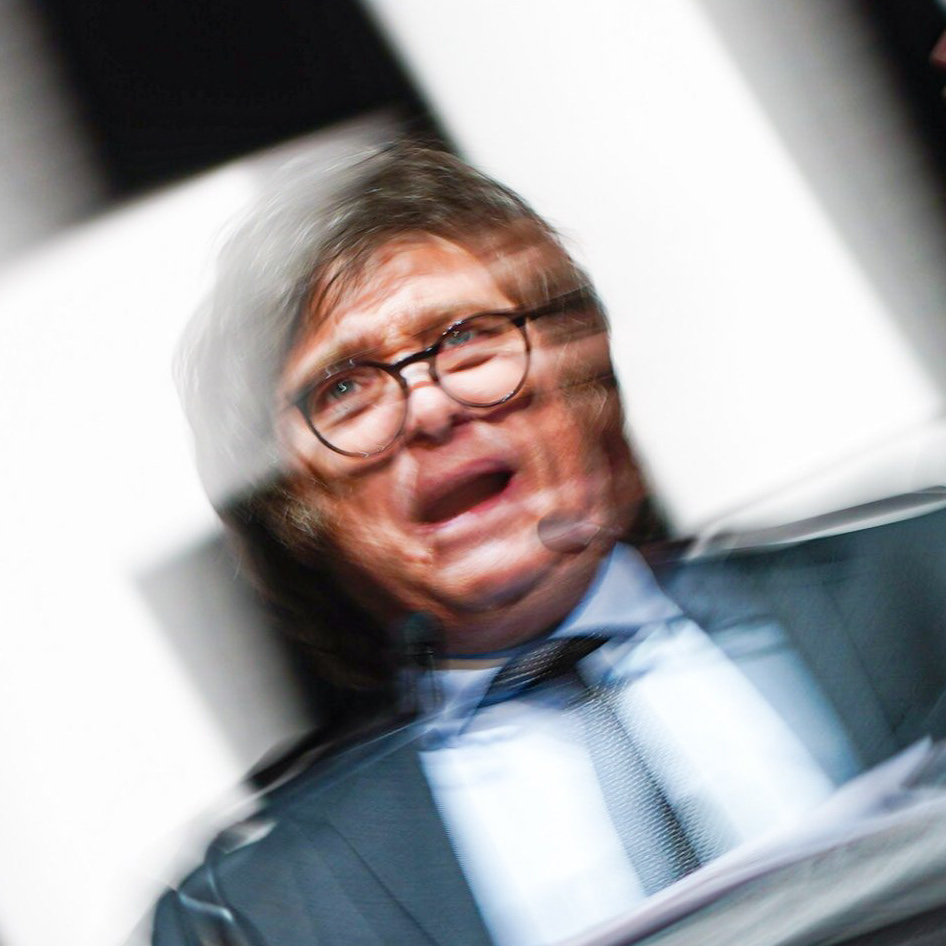
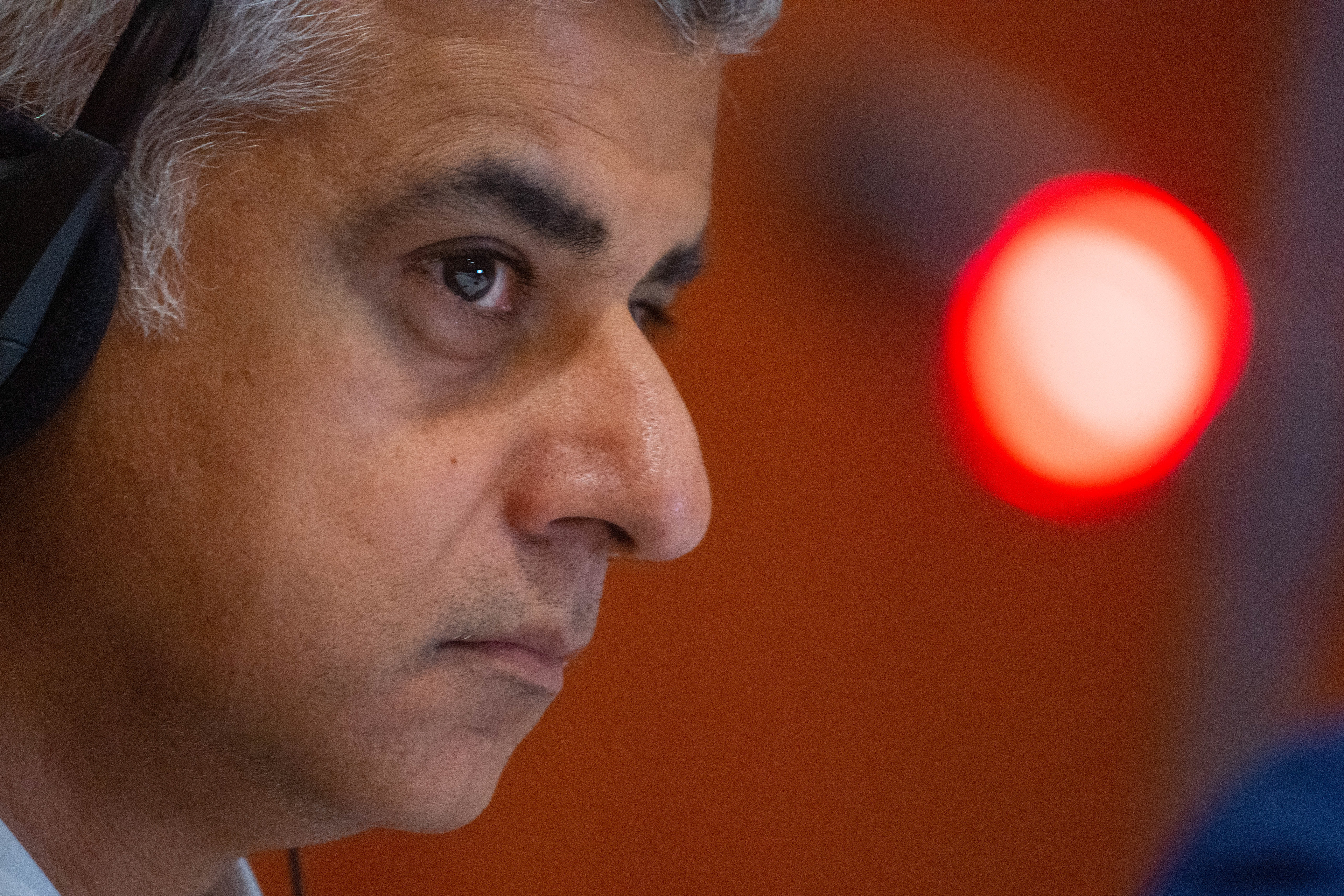
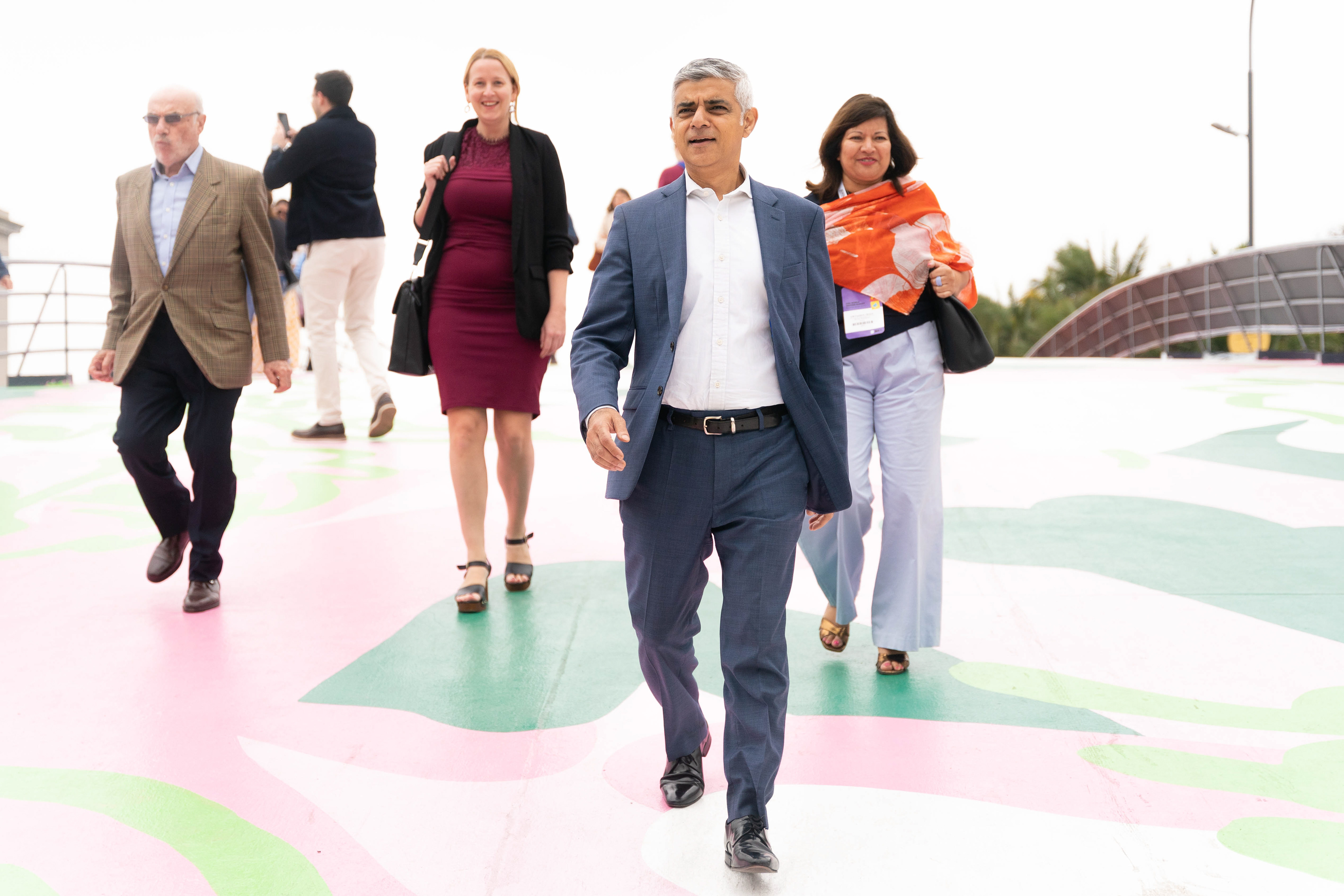
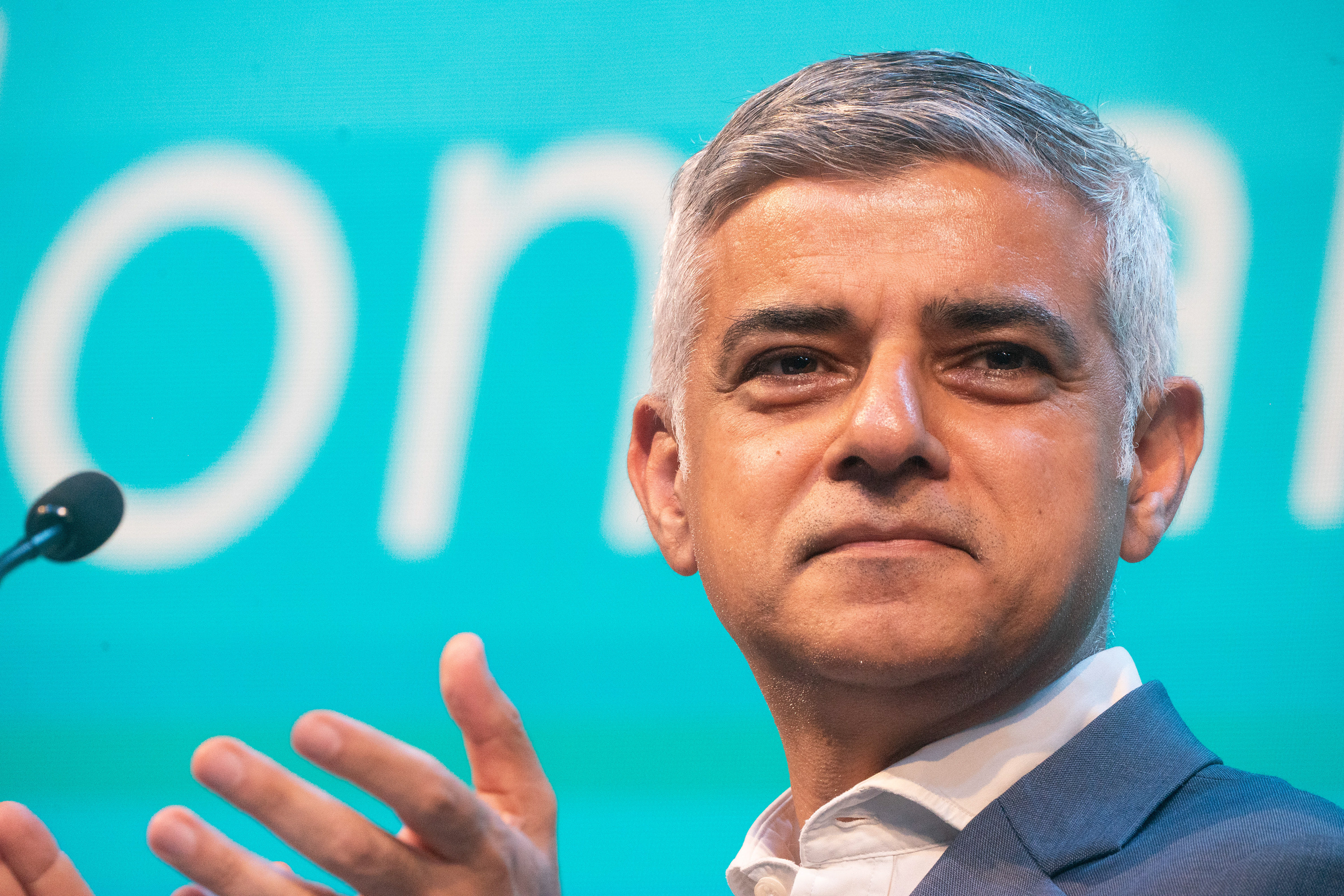
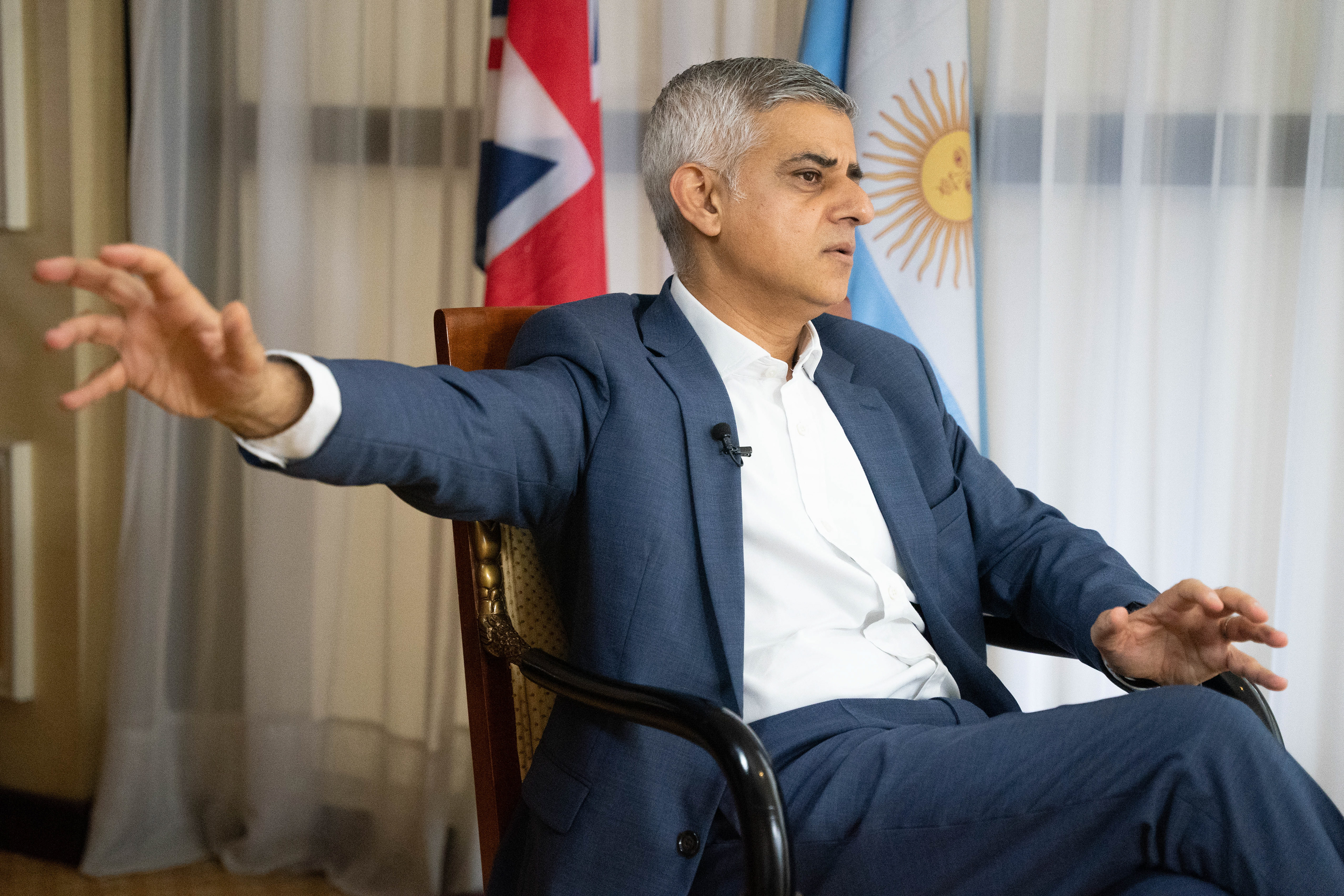
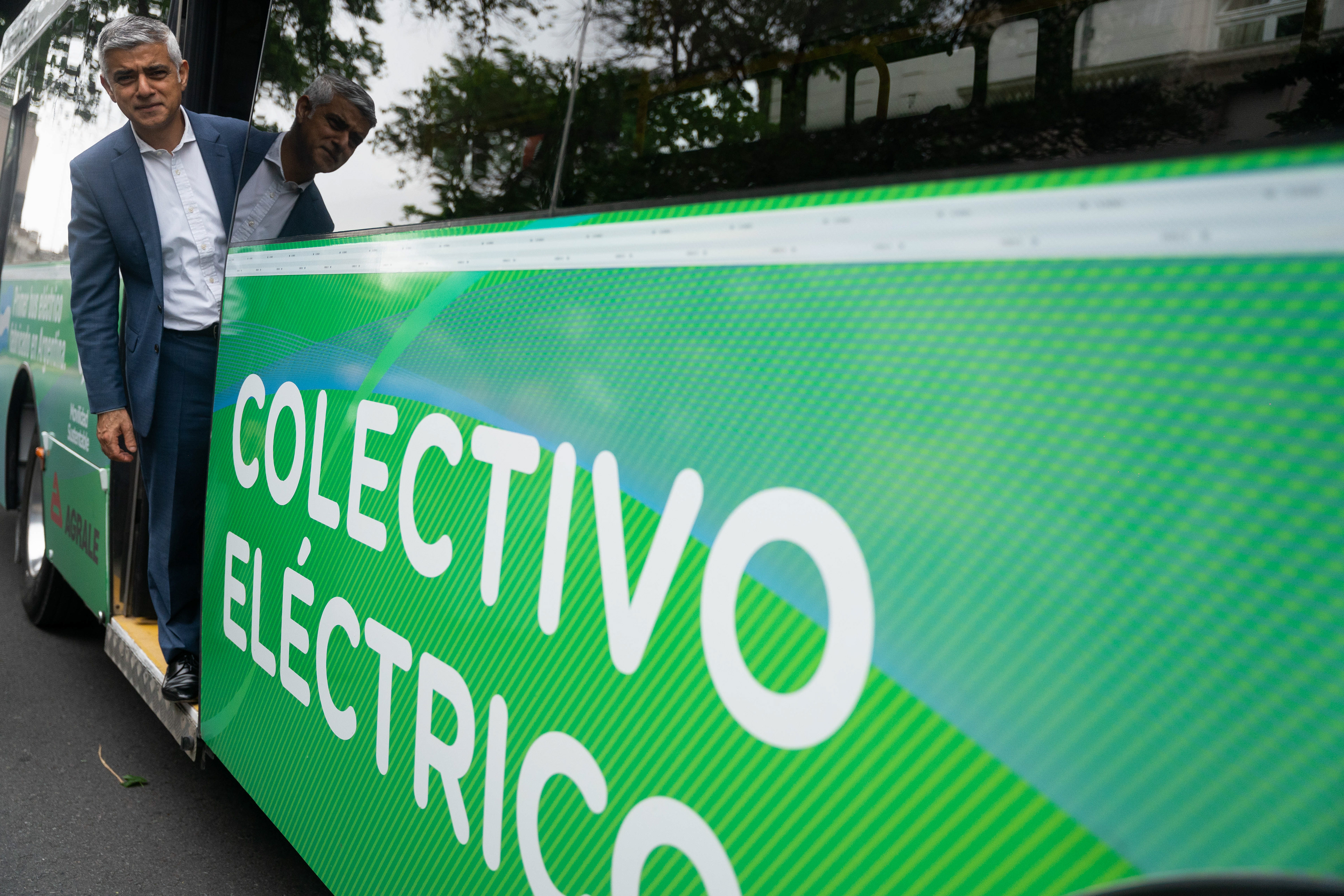
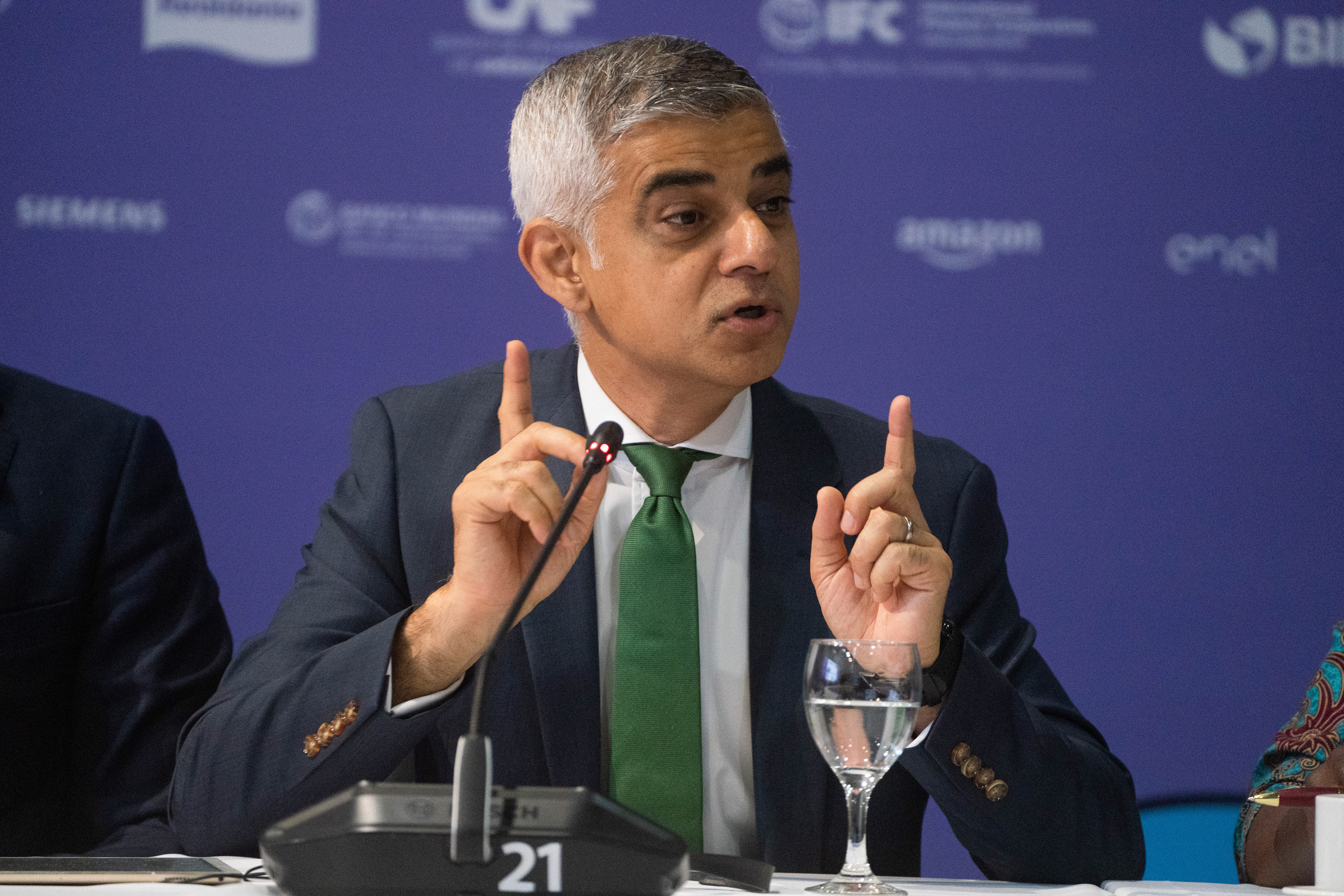
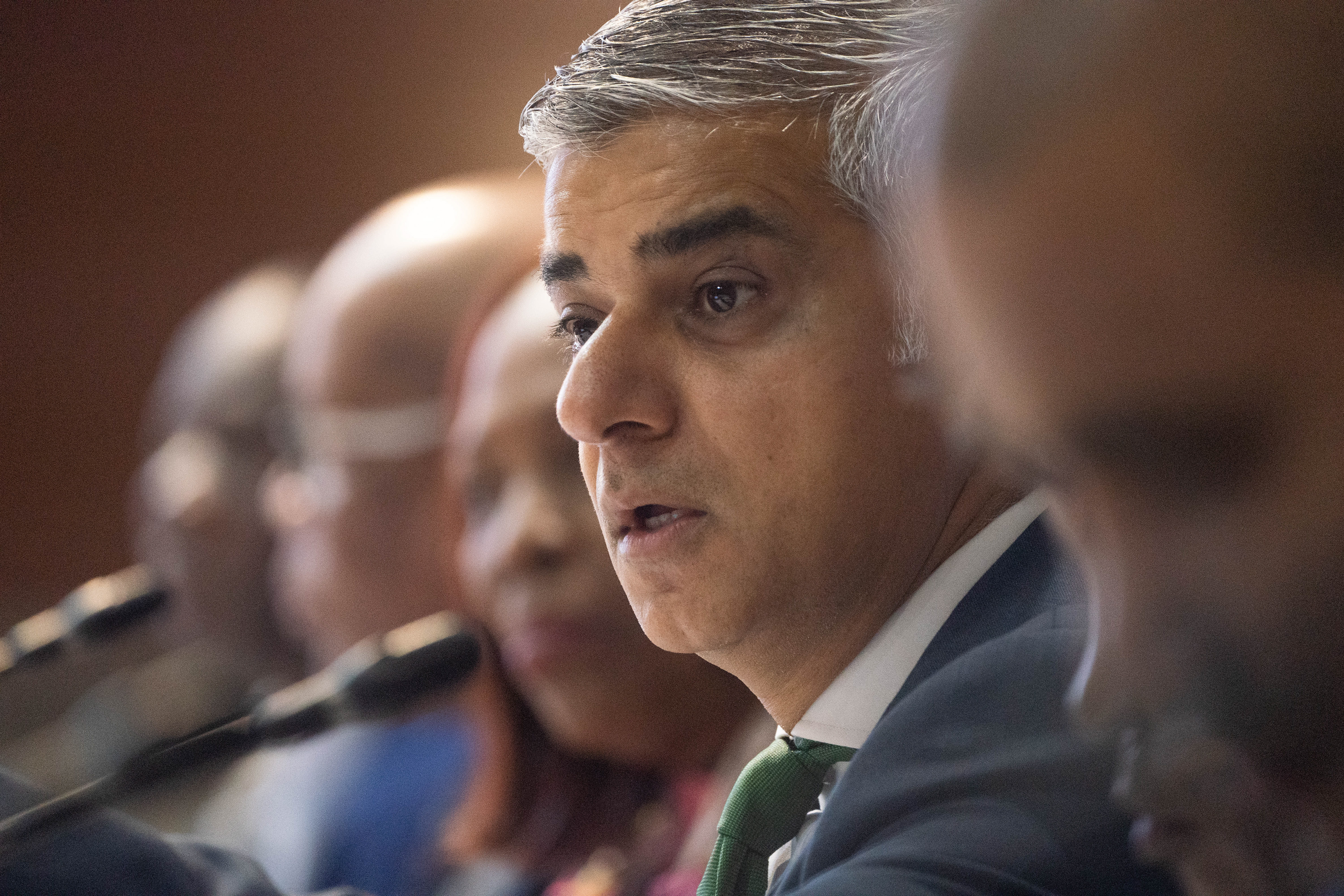
Images taken of several Argentine politicians such as Javier Milei, Cristina Kirchner, Sergio Massa, Alberto Fernandez, among others.
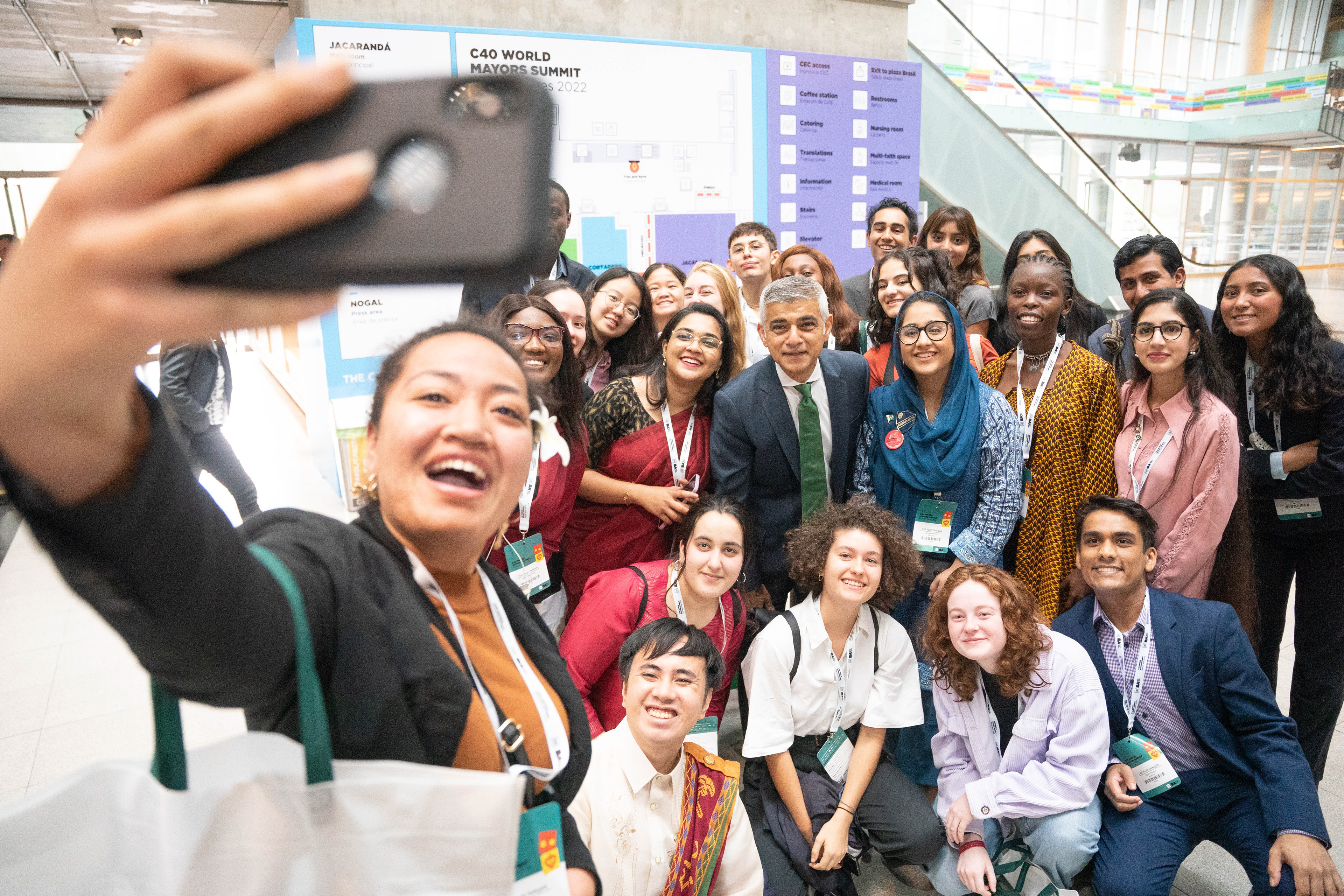
Single images not necessarily sequential or narrative.
Images taken while working on assignments for different media covering sports events that involved athletes such as Lionel Messi, Diego Maradona, Rafael Nadal, Harlem Globetrotters, among others.
COVID-19 Argentina
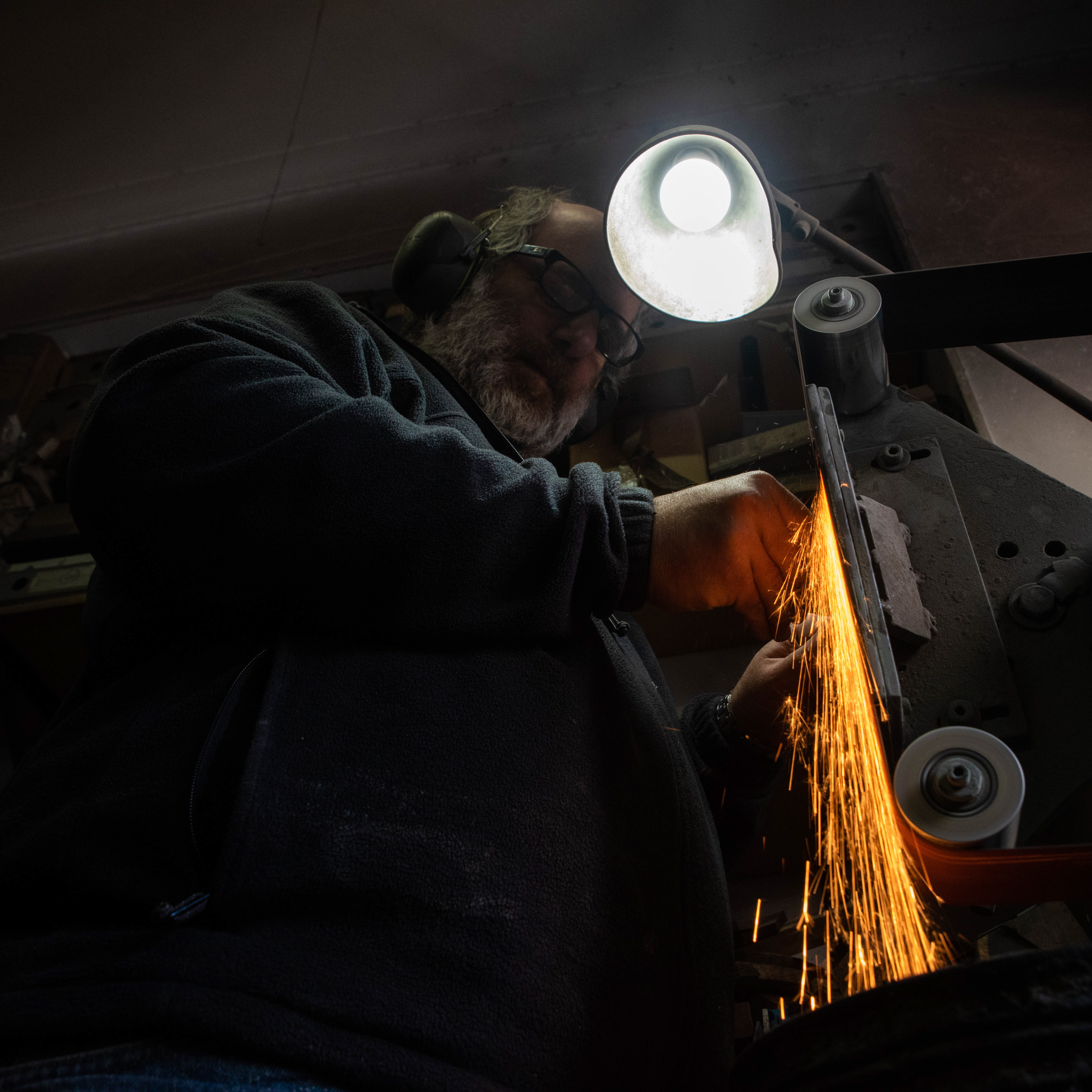
Pablo Untroib, alias "PEU," is a well-known Argentine knife crafter whose office is located in the heart of the city of Buenos Aires.
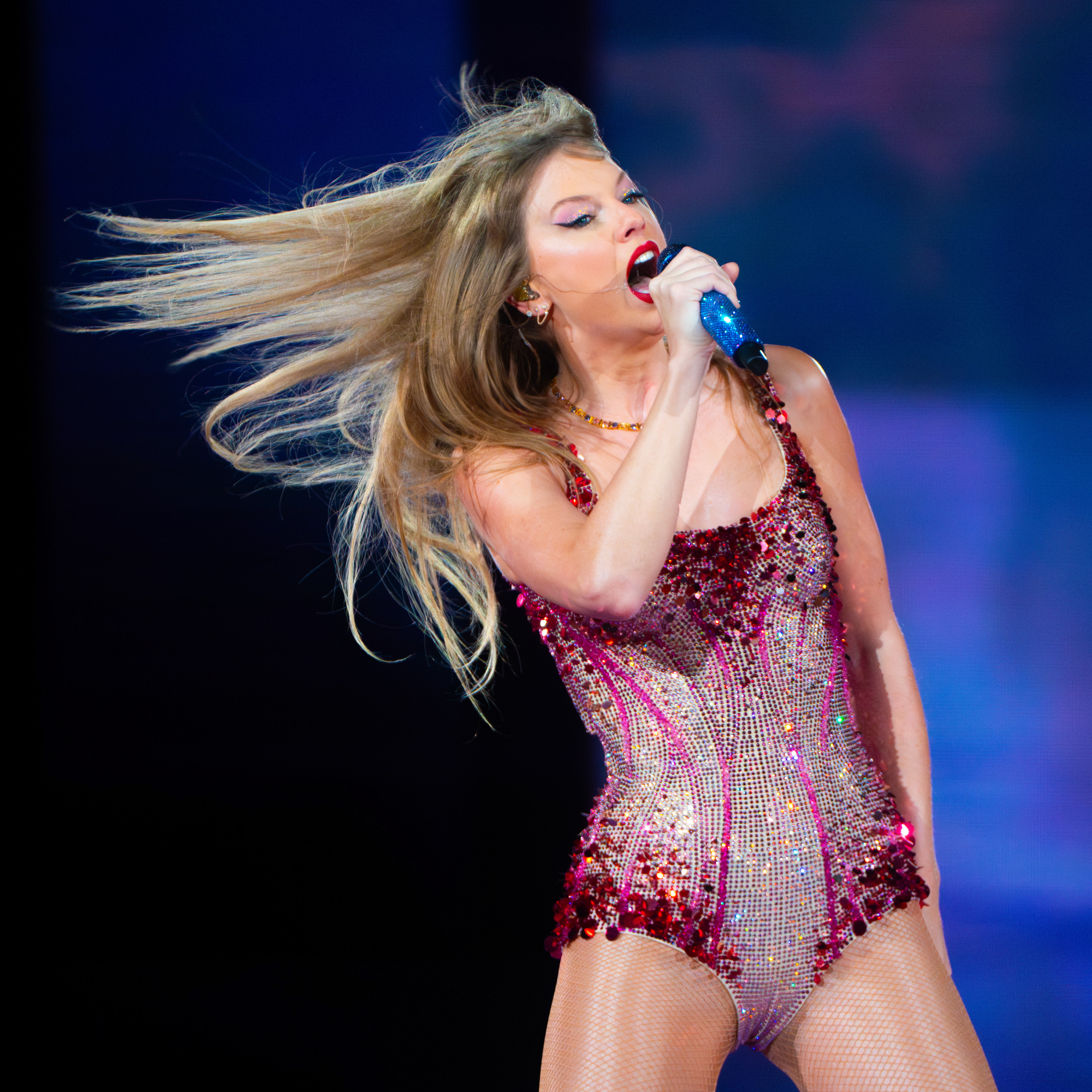
Images taken while working on assignments for different media production companies covering worldwide artists such as Taylor Swift, Drake, Billie Eilish, Miley Cyrus, Luis Miguel, Bizarrap, Nicki Nicole, among others.
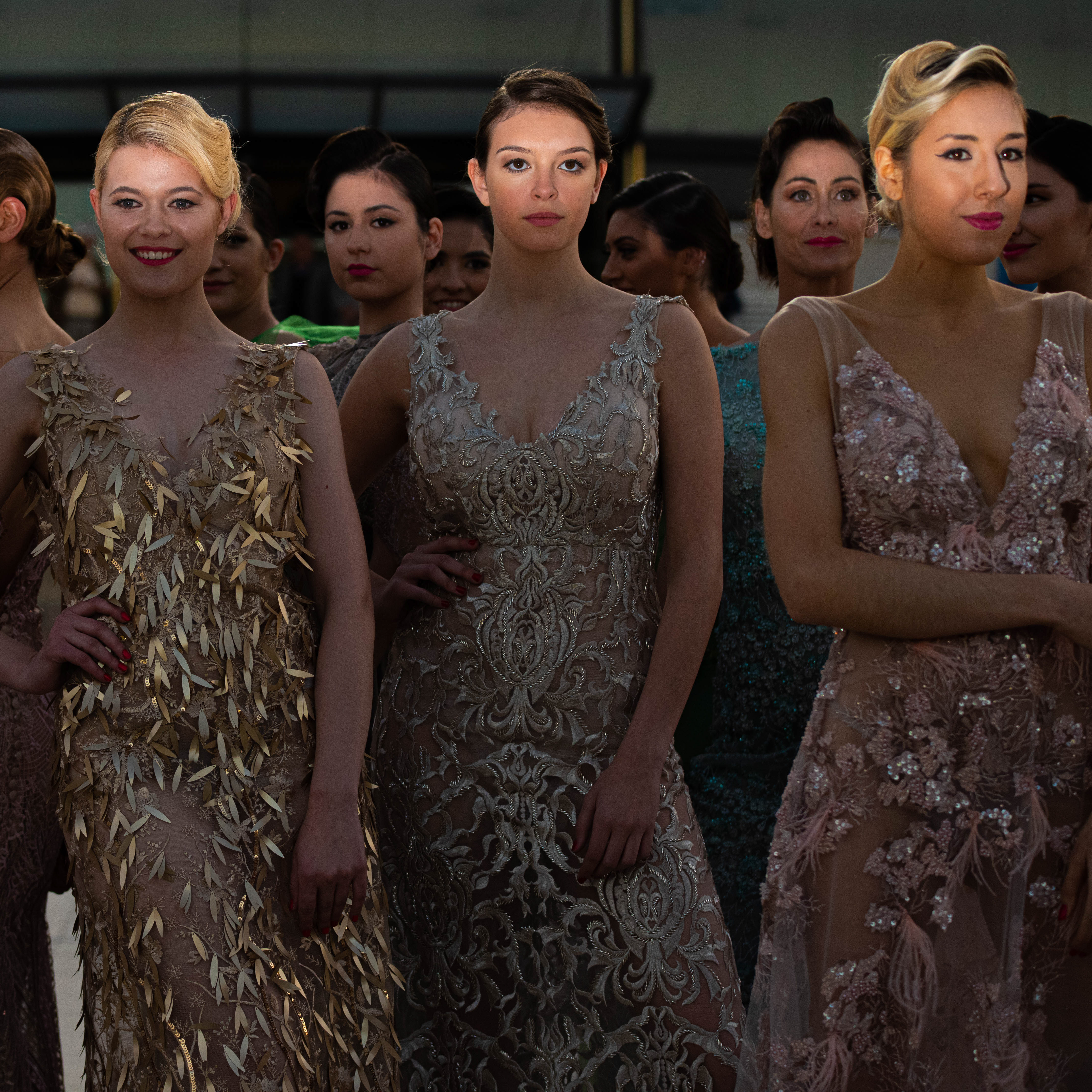
Photos taken during several fashion shows in the city of Buenos Aires
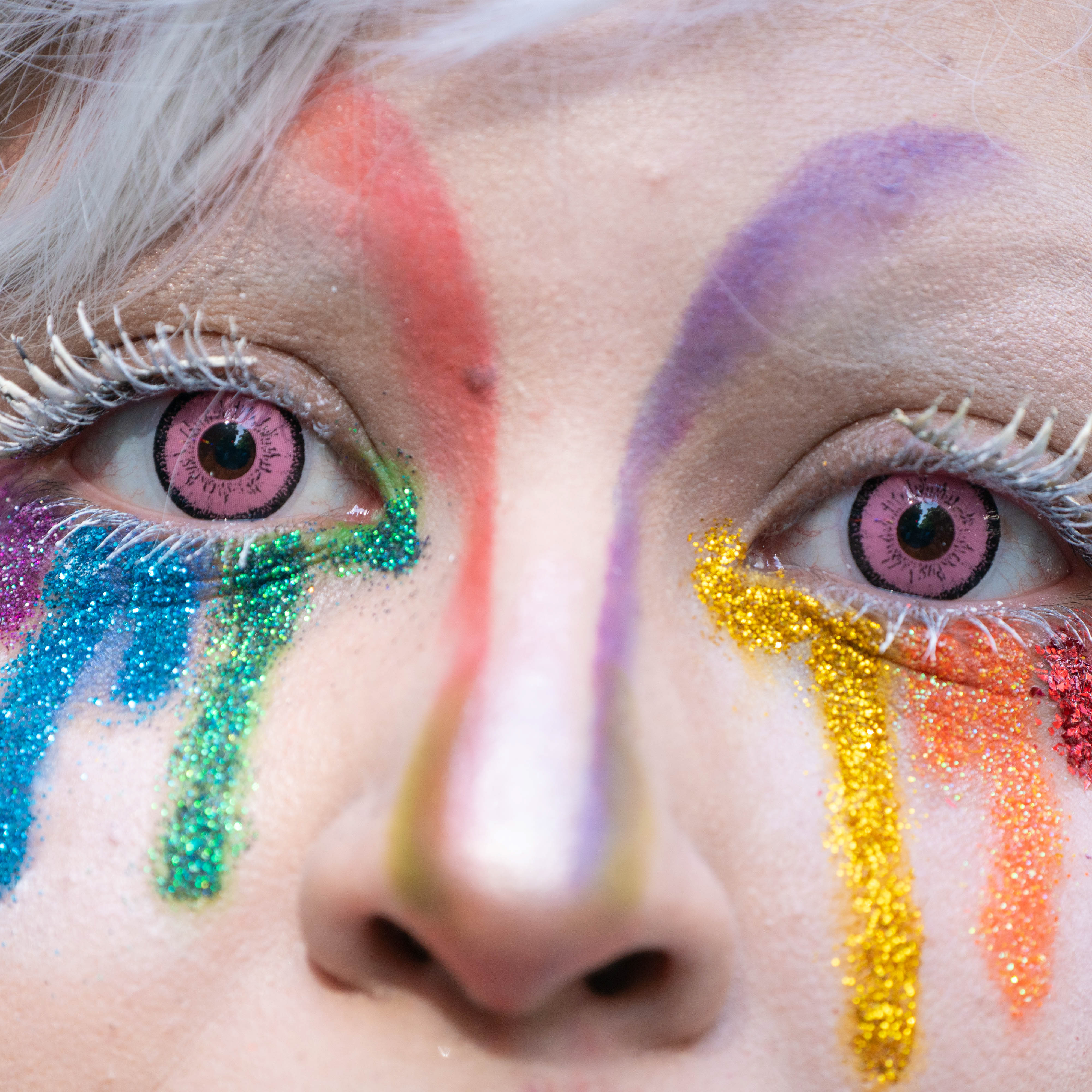
Buenos Aires, a city known for its rich cultural tapestry, annually hosts vibrant and inclusive Diversity and Pride Parades. These events celebrate the diverse identities within the community, fostering a spirit of acceptance and unity. Participants from various backgrounds, including LGBTQ+ individuals and allies, come together in a colorful display of solidarity. The parades feature lively floats, performances, and marches, creating an atmosphere of joy and acceptance throughout the city. As Buenos Aires embraces its diversity, these Pride Parades stand as a testament to the city's commitment to inclusivity and the celebration of love and equality.
Photo essay dedicated to Phoebe Bridgers and Angela Dean before the presentation of the album "Stranger in the Alps".
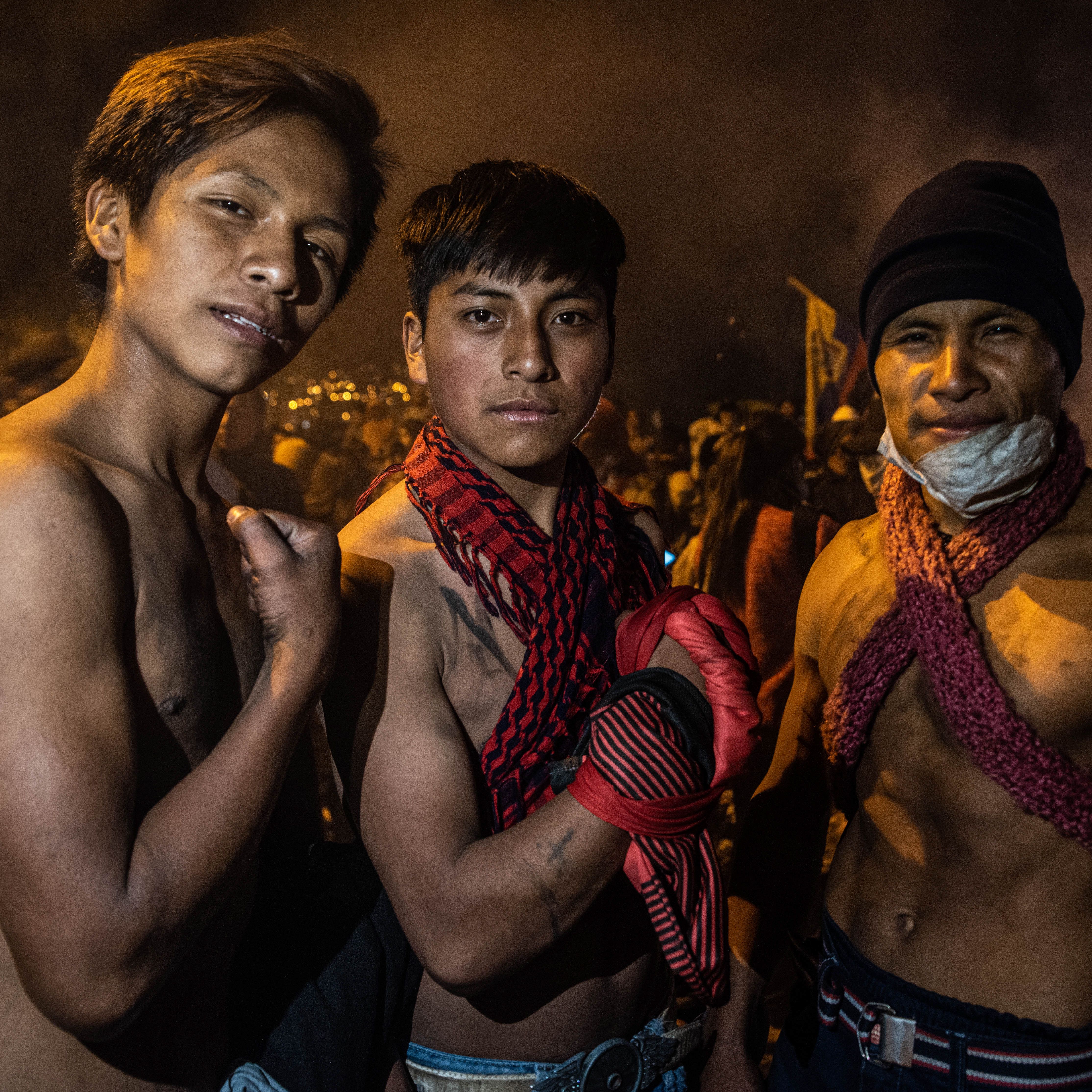
In October 2018, Quito, the capital of Ecuador, experienced protests and demonstrations primarily led by indigenous groups and other social organizations. The protests were in response to austerity measures proposed by the government of then-President Lenin Moreno. The austerity measures, which included the removal of fuel subsidies, were part of an economic reform package aimed at reducing the country's fiscal deficit and meeting the conditions of a loan agreement with the International Monetary Fund (IMF). The removal of fuel subsidies led to a significant increase in fuel prices, particularly affecting transportation costs and the cost of living for many Ecuadorians. Indigenous groups, who have historically been influential in Ecuadorian politics, took the lead in organizing protests against the government's economic policies. The protests escalated into nationwide demonstrations, with thousands of people taking to the streets in Quito and other cities across the country. The situation became tense, and clashes between protesters and security forces occurred. The government declared a state of emergency, and Quito experienced a period of unrest with road blockades and disruptions. Amidst the unrest, the government eventually agreed to engage in dialogue with indigenous leaders and other social organizations. As a result, President Moreno decided to revoke the fuel subsidy removal, and both parties reached an agreement to work on a new set of economic measures. The protests highlighted the social and political challenges facing the country and led to discussions about the need for inclusive economic policies that consider the interests of various social groups.
Back to Top