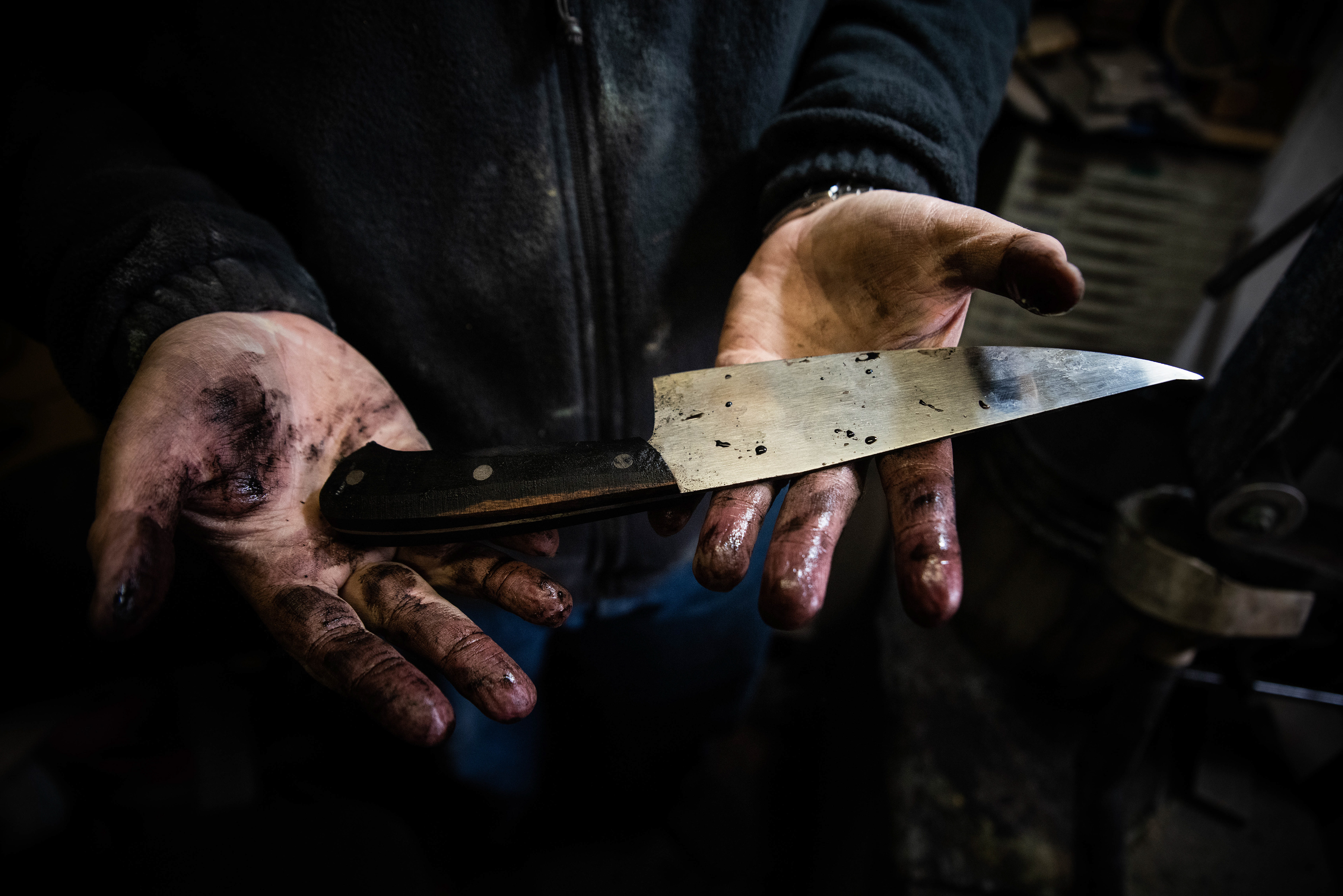
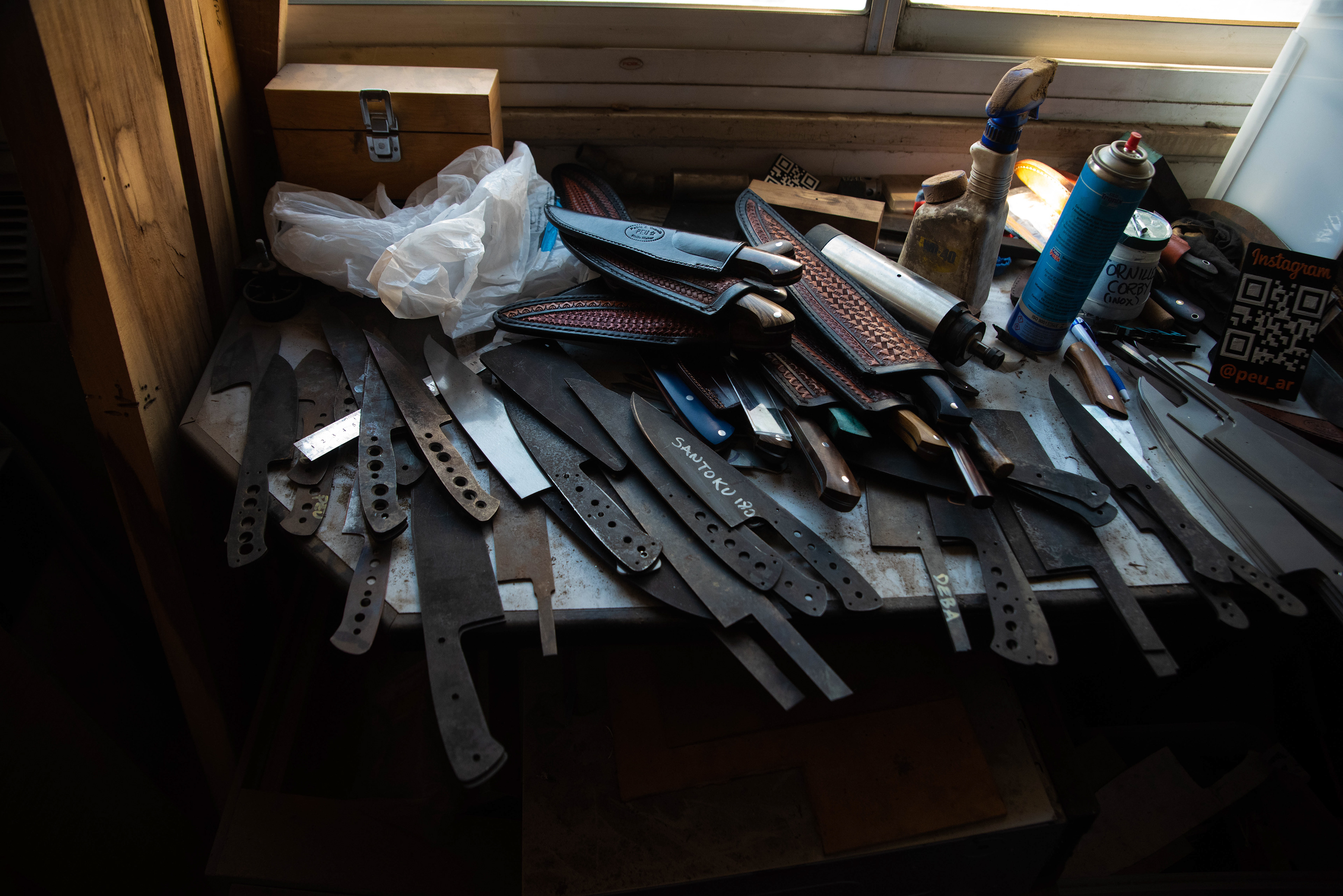
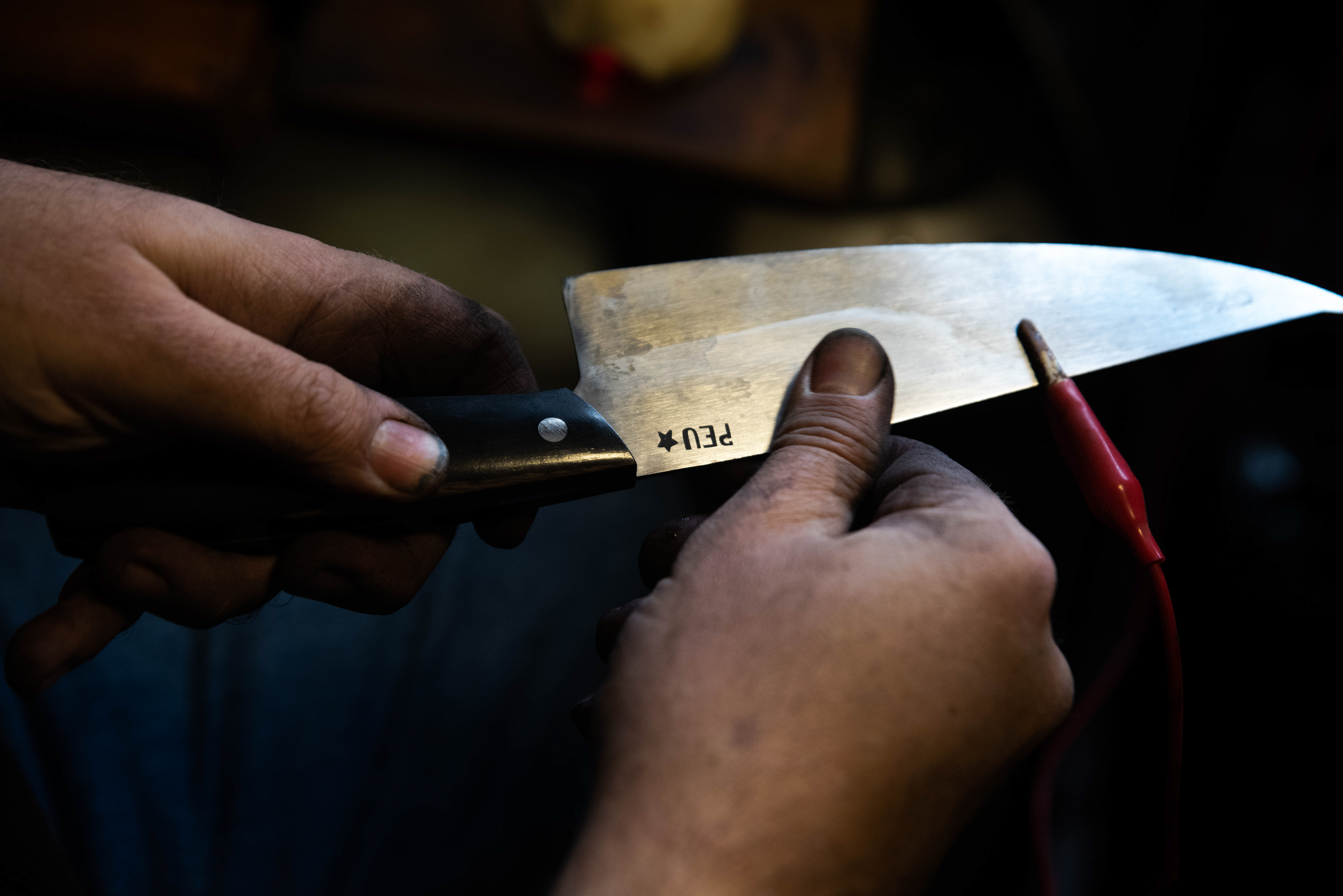
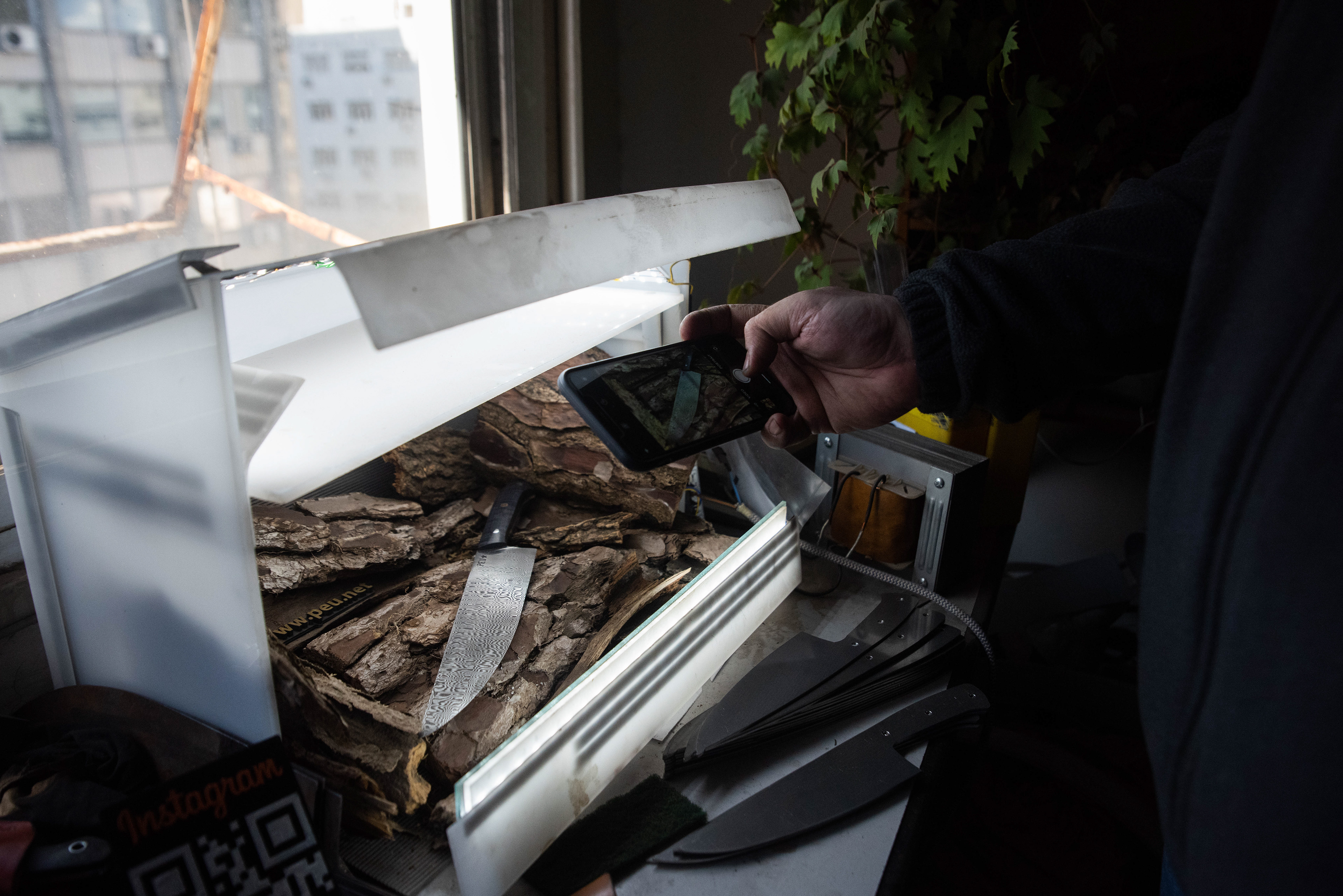
PEU Knife Crafter
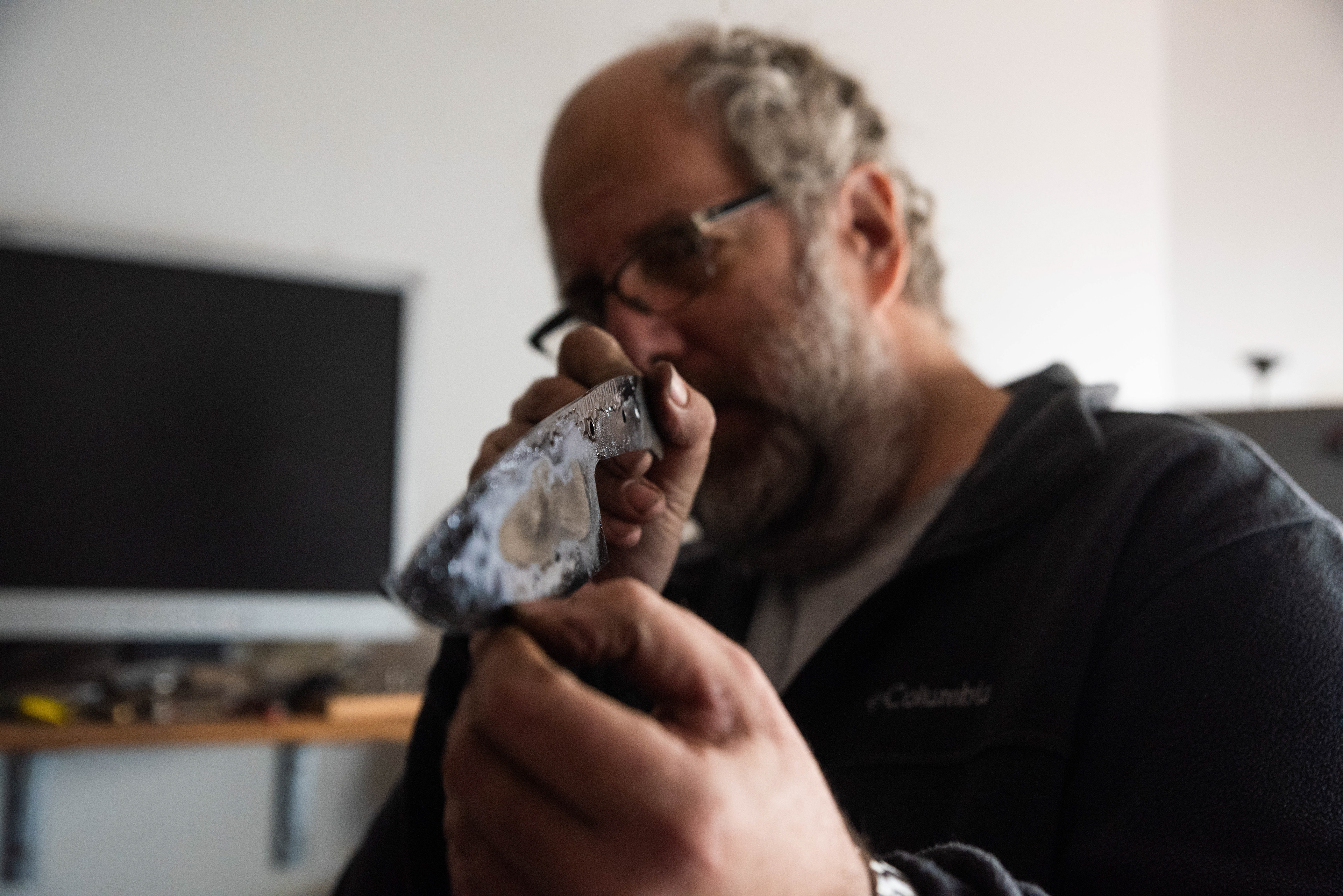
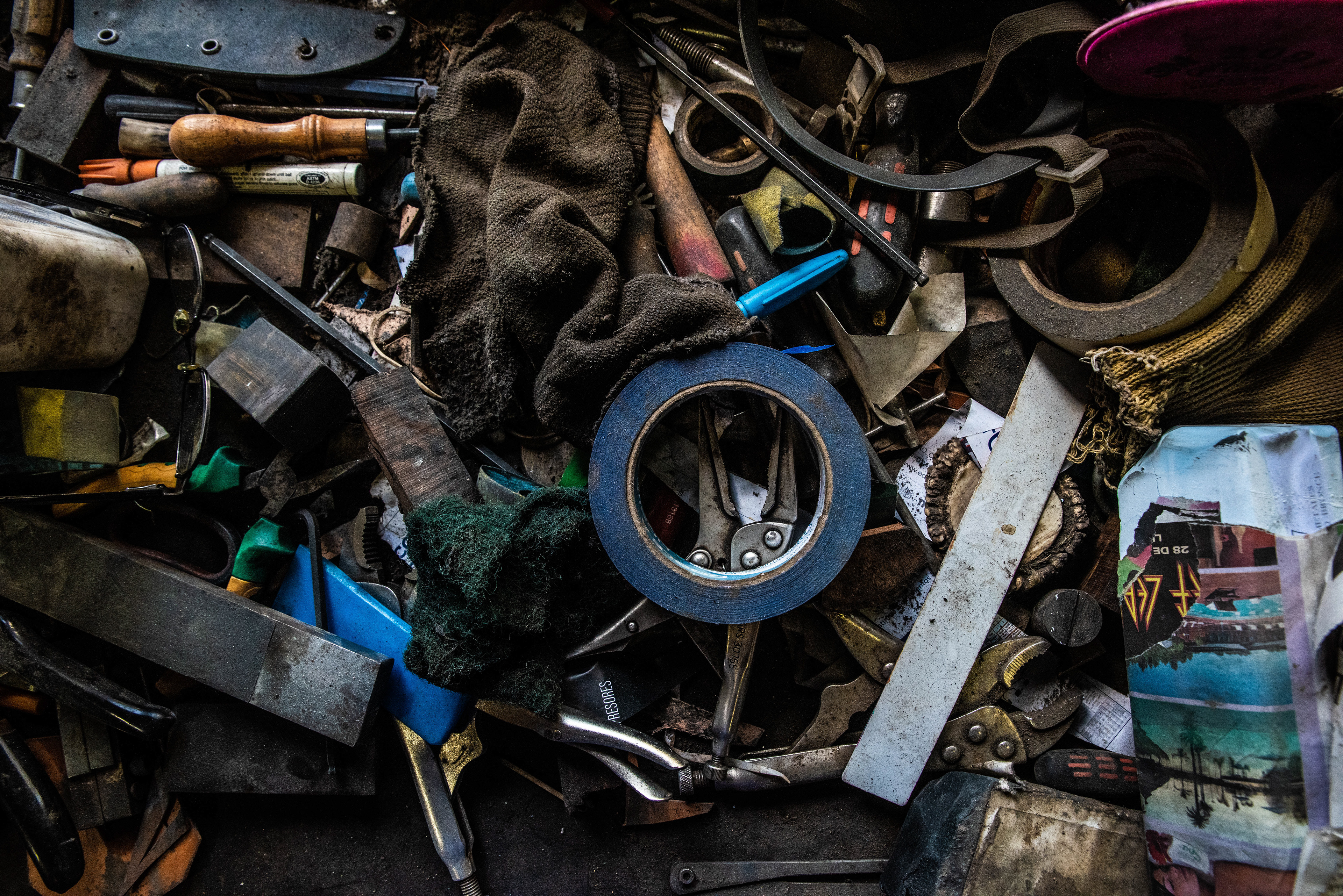
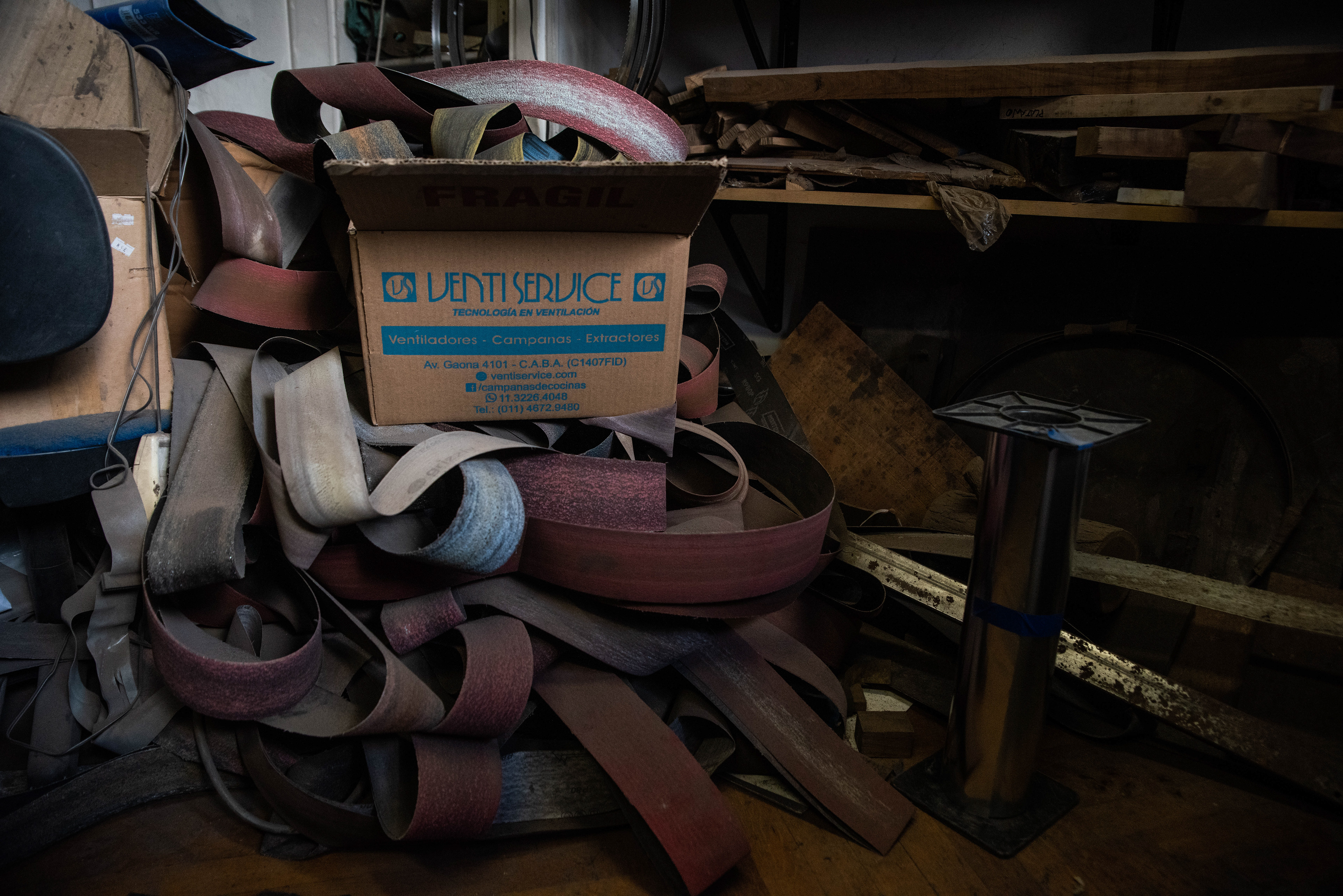
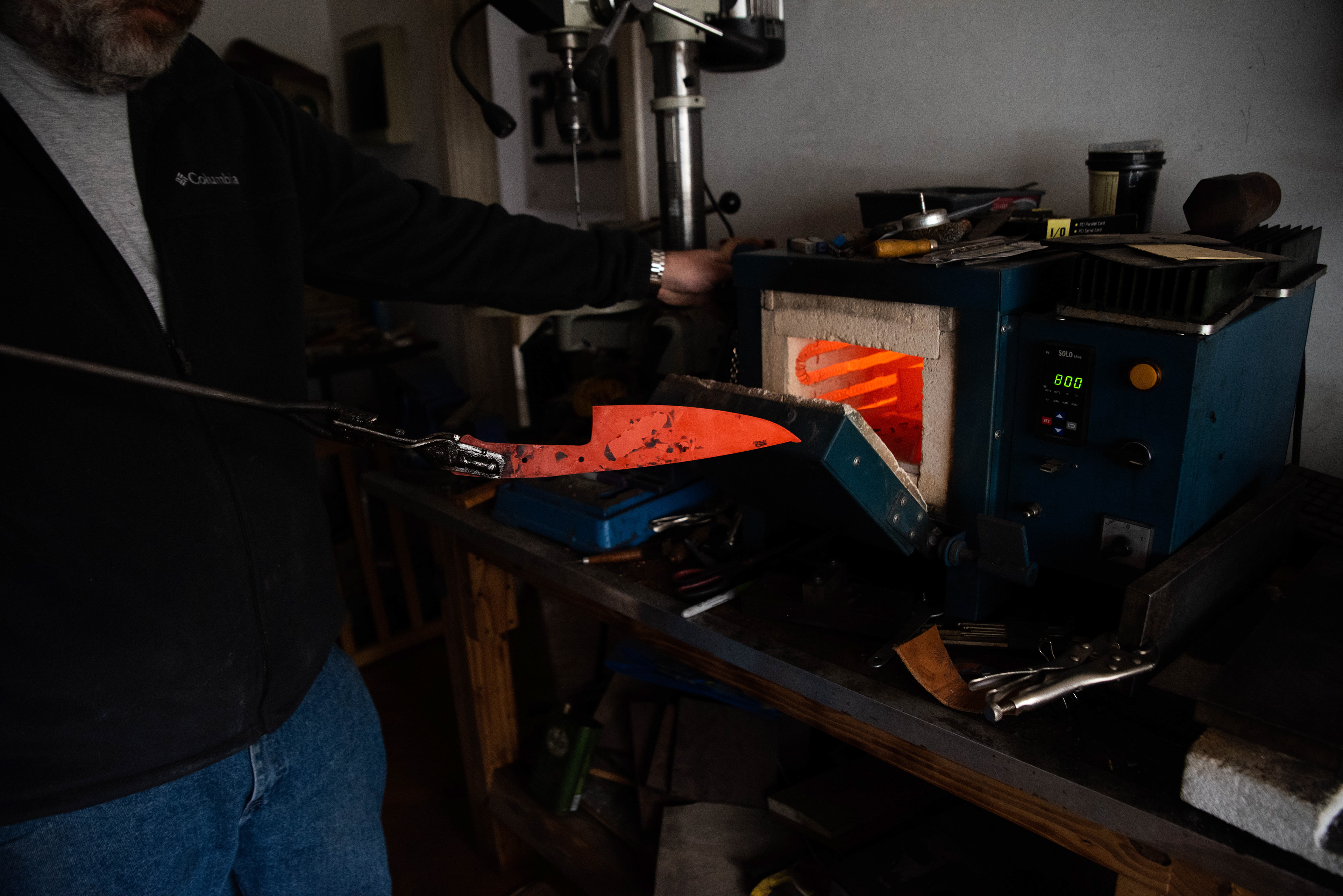
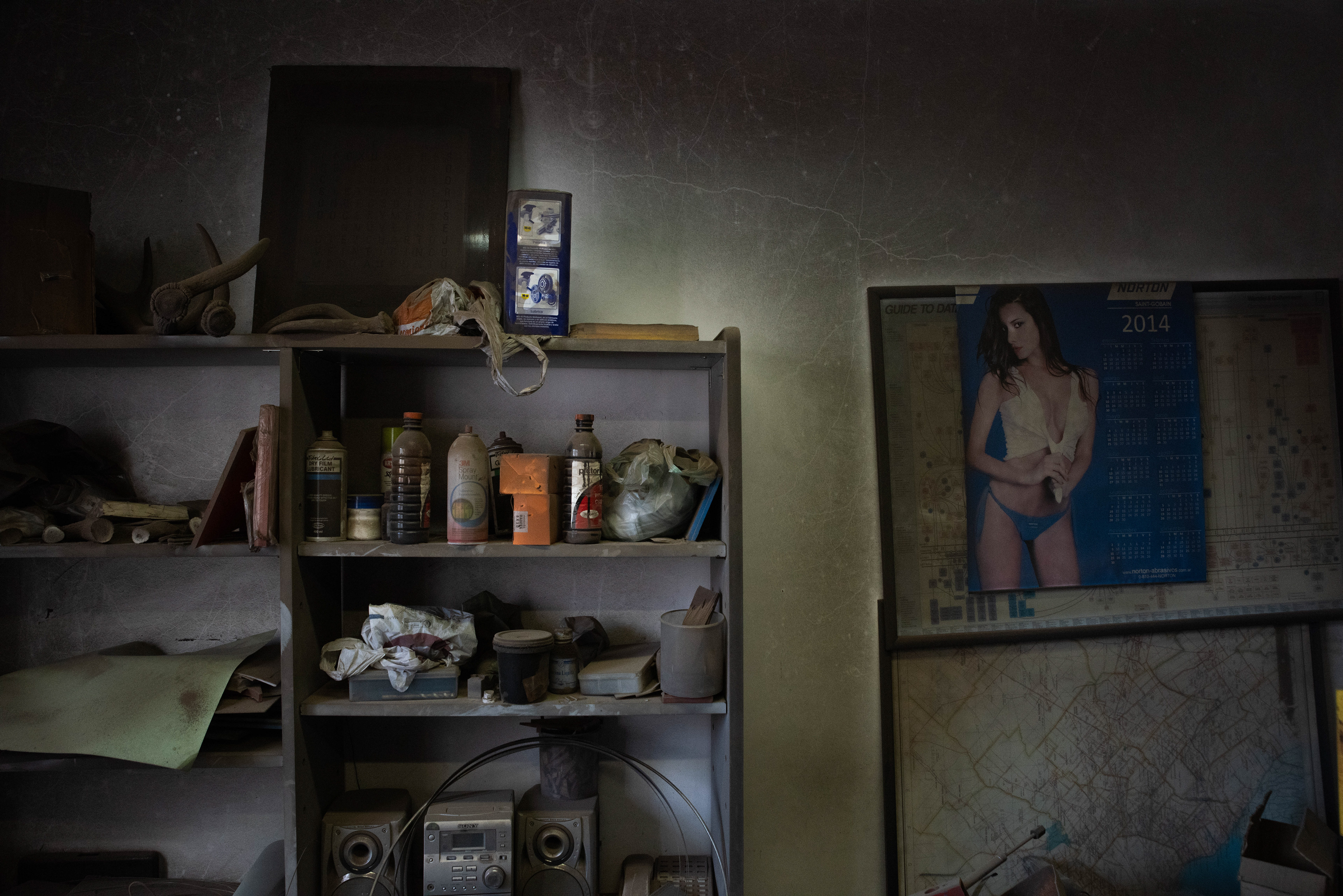
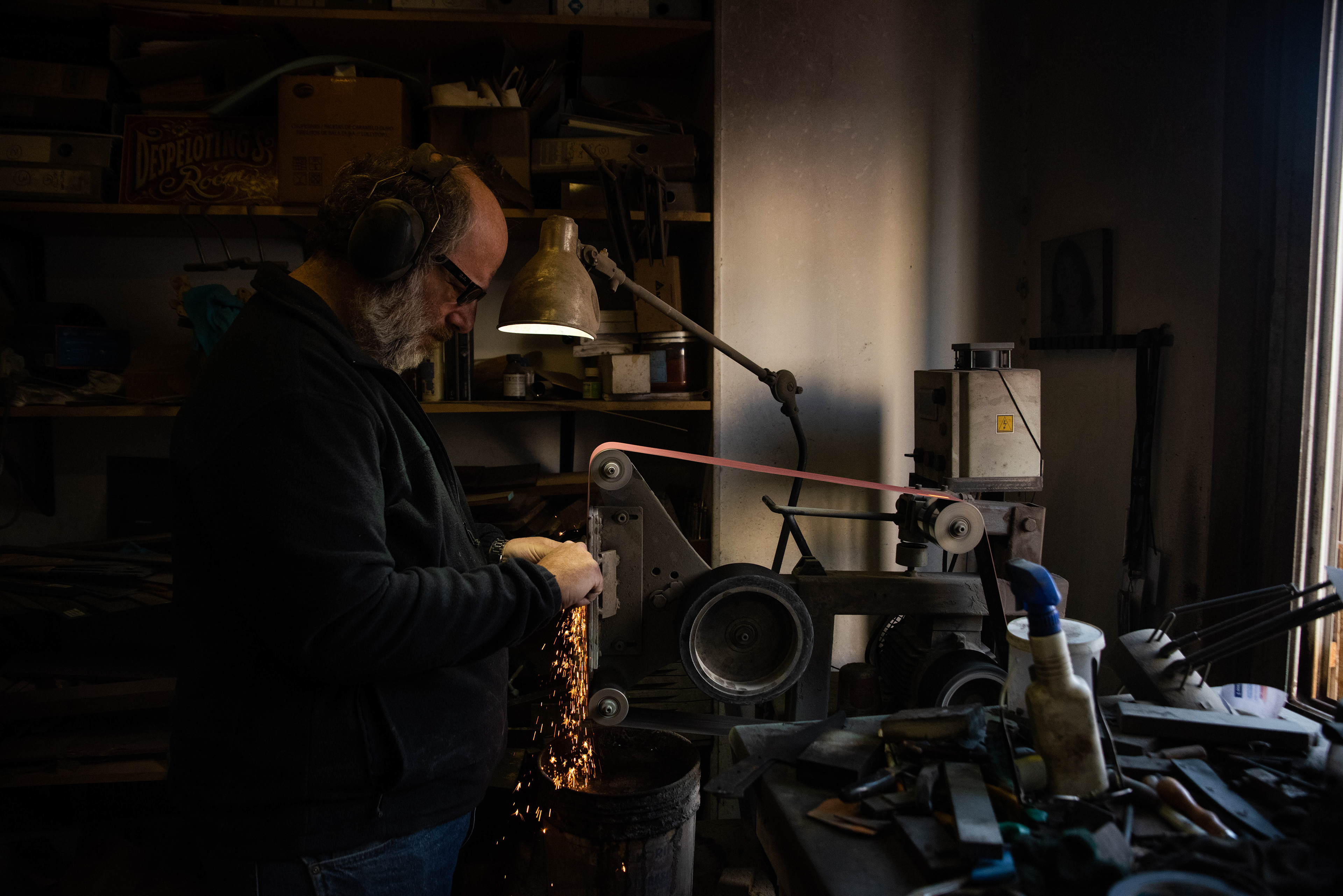
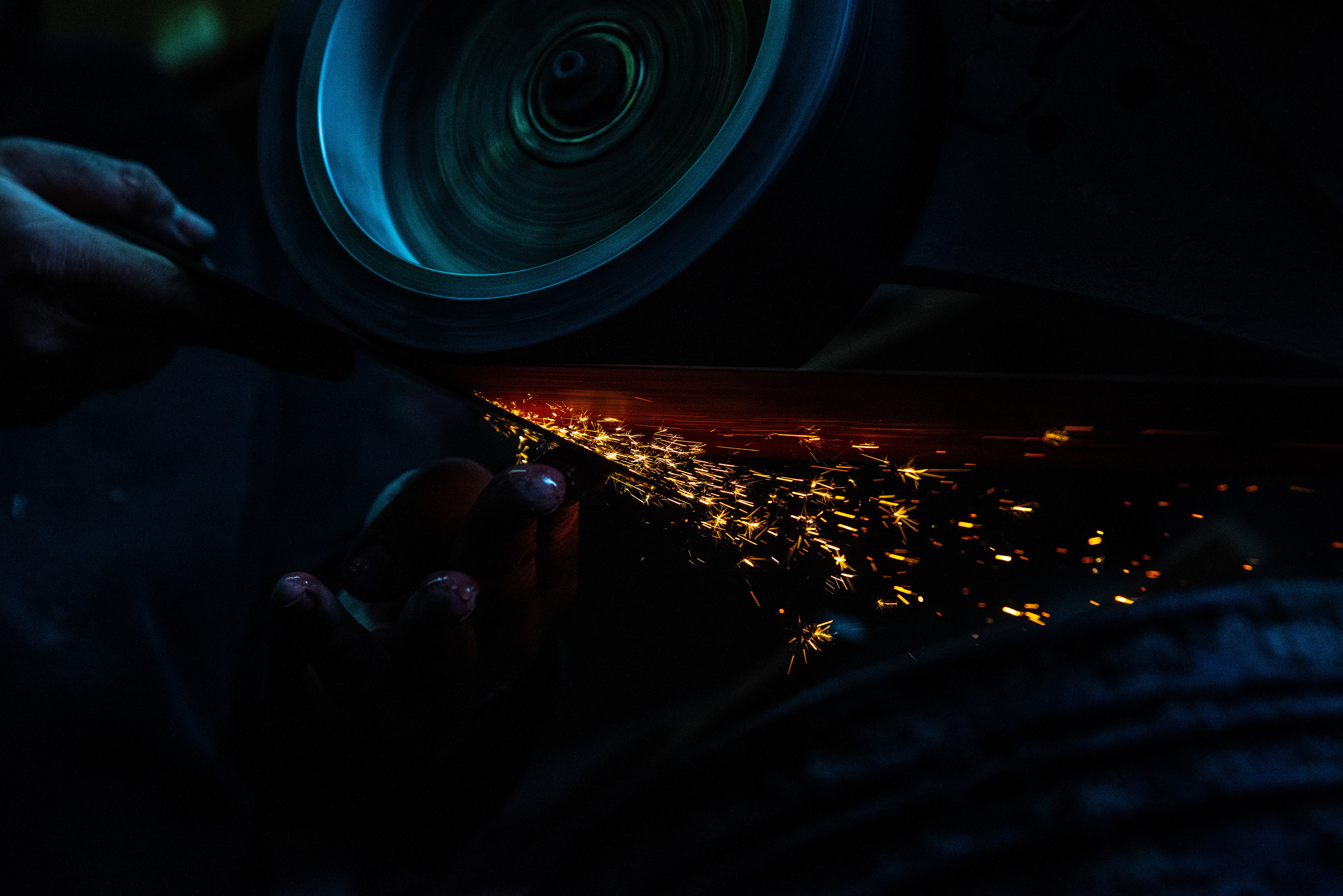
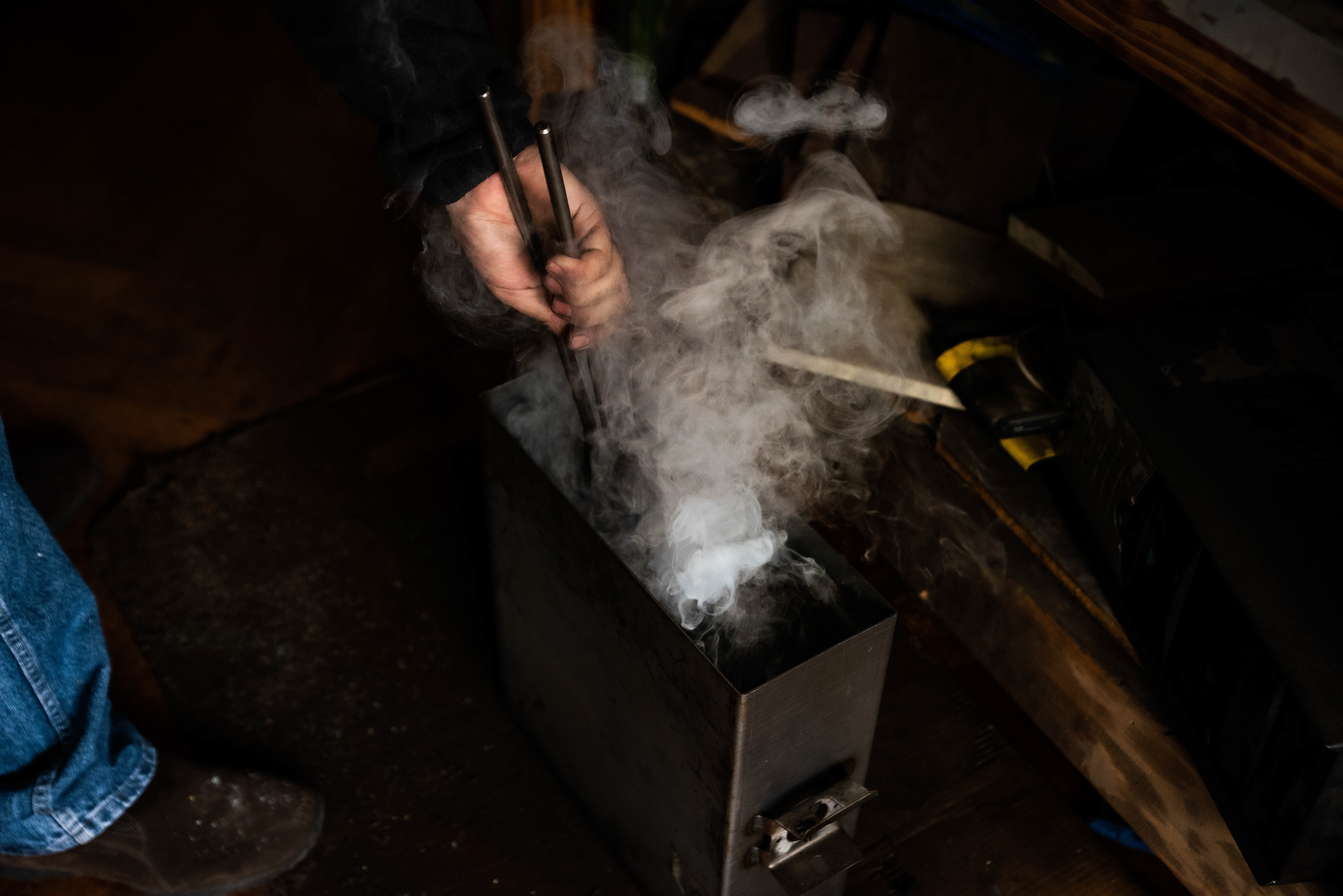
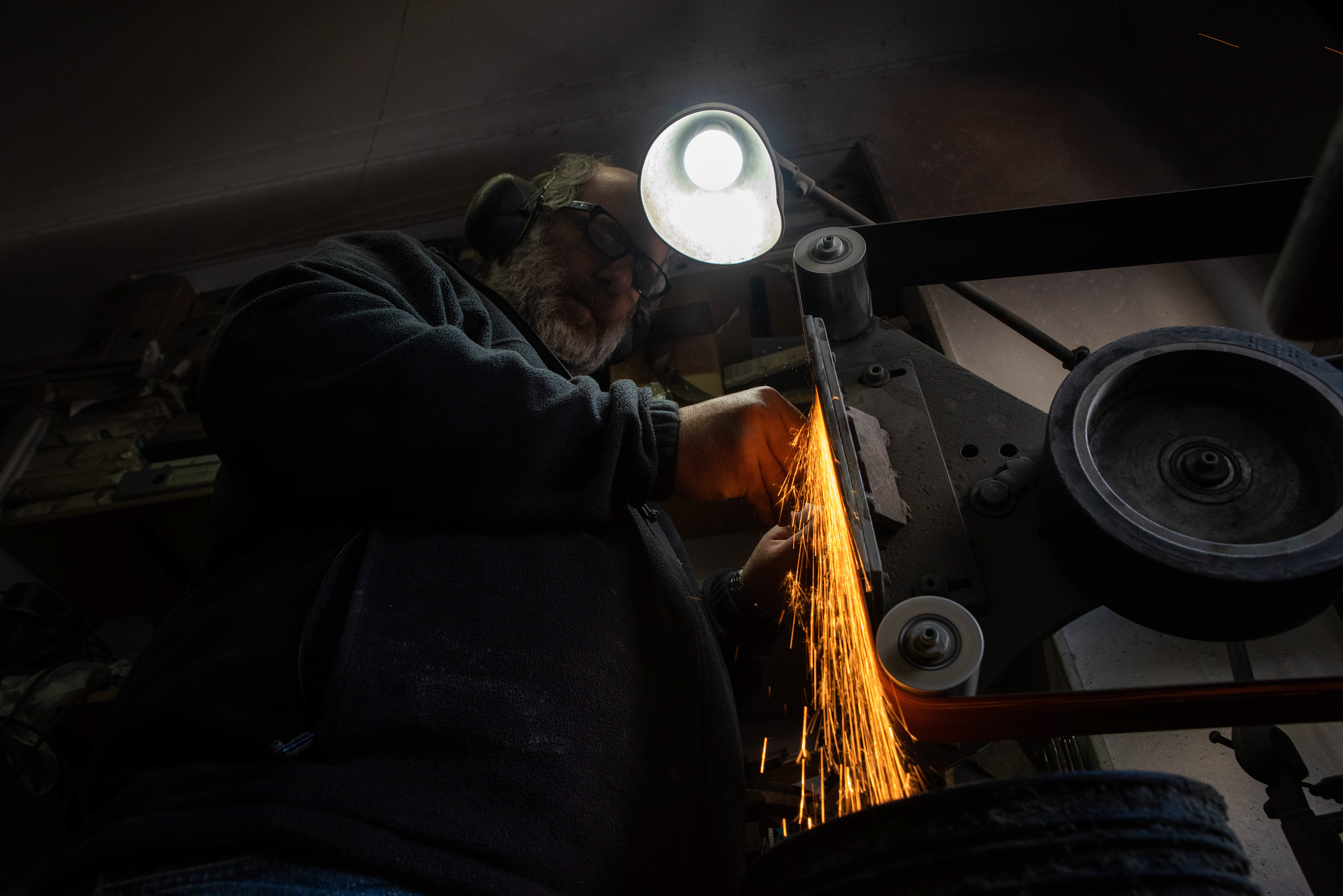
Pablo Untroib, alias "PEU," is a well-known Argentine knife crafter whose office is located in the heart of the city of Buenos Aires.
You may also like
Buenos Aires, a city known for its rich cultural tapestry, annually hosts vibrant and inclusive Diversity and Pride Parades. These events celebrate the diverse identities within the community, fostering a spirit of acceptance and unity. Participants from various backgrounds, including LGBTQ+ individuals and allies, come together in a colorful display of solidarity. The parades feature lively floats, performances, and marches, creating an atmosphere of joy and acceptance throughout the city. As Buenos Aires embraces its diversity, these Pride Parades stand as a testament to the city's commitment to inclusivity and the celebration of love and equality.
Images taken while working on assignments for different media production companies covering worldwide artists such as Taylor Swift, Drake, Billie Eilish, Miley Cyrus, Luis Miguel, Bizarrap, Nicki Nicole, among others.
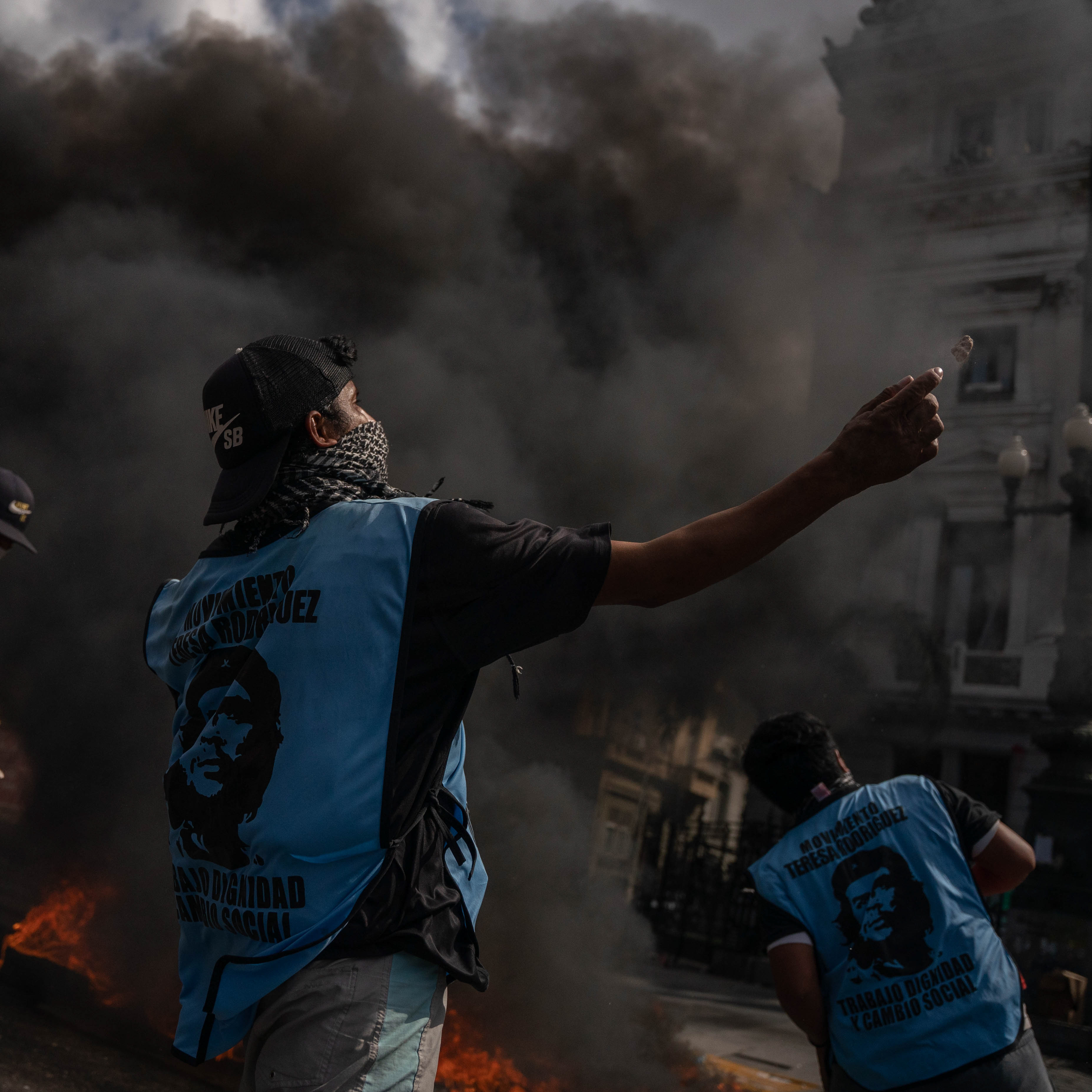
Argentina's Crisis
Images taken while working on assignments for different media covering sports events that involved athletes such as Lionel Messi, Diego Maradona, Rafael Nadal, Harlem Globetrotters, among others.
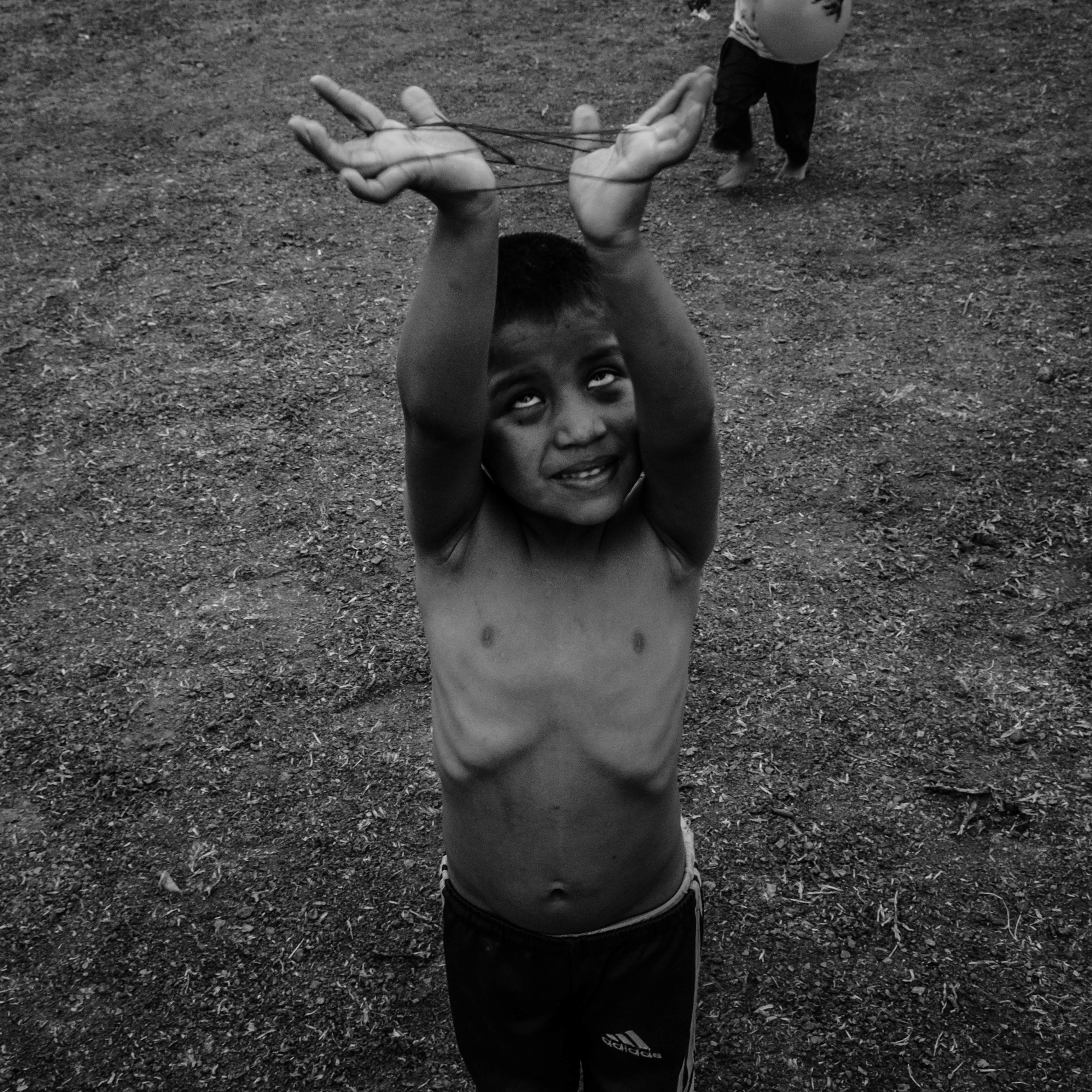
The tourism secretary of Chaco has as the slogan of its advertising campaign to promote this region of the country as "The Secret of Argentina." I find it very accurate, as in a way, it is a secret that is kept hidden from the rest of society: knowing that there are people living in oblivion and in conditions of extreme poverty throughout the northern region of Argentina.
A town that doesn't even appear on the map: Olla Quebrada (25°27'45.9"S 60°28'07.9"W), in the Espinillo area located in the north of Argentina in the province of Chaco. About 40 people spent a week with the "survivors" of this area of our country. Each one had a role and/or responsibility: dentists, pediatricians, psychologists, teachers, hairdressers, and perhaps, most importantly, fulfilling the most basic need – giving them a hug, talking to them.
Going house by house to deliver hygiene kits and spending time with the people, I was struck by the lack of affection these individuals have, as no one shows them love, and above all, they feel forgotten. With a simple hug and letting them know that you are there for them so they can be well in the future, everything changes completely. There were several times when I saw people crying or with a lump in their throat, and I couldn't say anything more than "thank you" with the simple fact that we were there.
Seeing more closely the conditions in which these people live led me to think about the possibilities and opportunities they have to move forward since they live completely forgotten, in very limited conditions with no job opportunities, transportation to at least be able to look for work or opportunities in more central areas, quality education, doctors, and above all, they have no hope that someday all this will improve or change in the future.
The sneakers we gave them will wear out, the toothbrushes given to each of them will stop serving, and above all, the cured diseases will most likely return, and they won't have a place in suitable conditions to be attended to; it is a cycle that seems to have no end unless action is truly taken on the issue, and we realize that there are many people in our country who are not just living but are struggling every day with themselves just to survive. There are thousands of forgotten individuals who have no hope that someday the situation they are going through will change for the better.
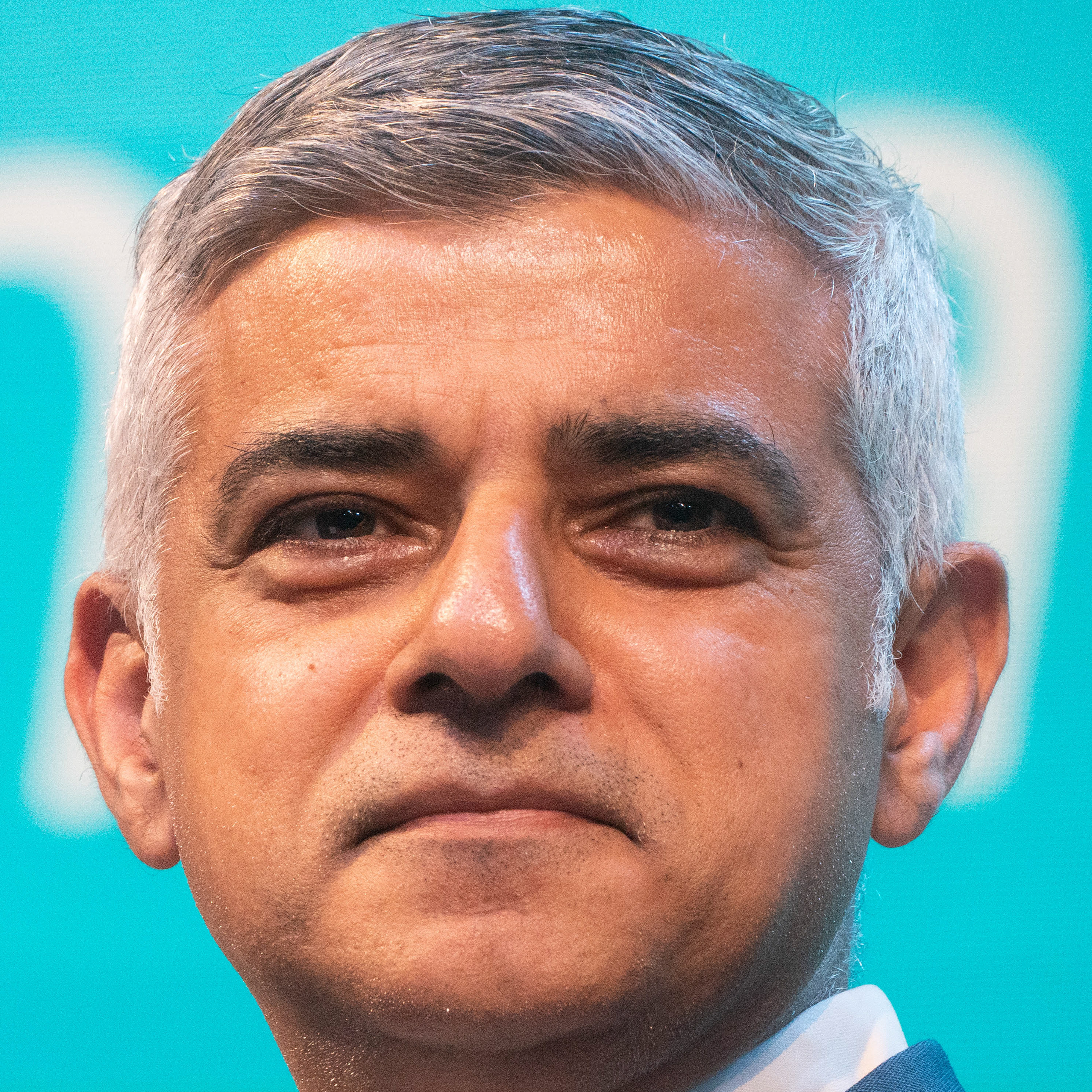
Chaired by mayor of London, Sadiq Khan, The C40 Cities Climate Leadership Group, commonly referred to as C40, is a network of major cities around the world that are committed to taking meaningful action to address climate change. The C40 was established in 2005 and serves as a platform for cities to collaborate, share best practices, and implement initiatives to reduce greenhouse gas emissions and build more sustainable urban environments.
The C40 Summit is an annual event organized by the C40 Cities network. During the summit, mayors, city officials, and other stakeholders from participating cities come together to discuss and share strategies for mitigating and adapting to climate change. The summit provides a platform for cities to showcase their achievements, discuss challenges, and engage in collaborative efforts to tackle climate-related issues.
Key objectives of the C40 Summit include:
- Knowledge Sharing
- Networking
- Commitments and Initiatives
- Policy Development
- Inspiration and Motivation
Video & drone assignments for media outlets and international news agencies
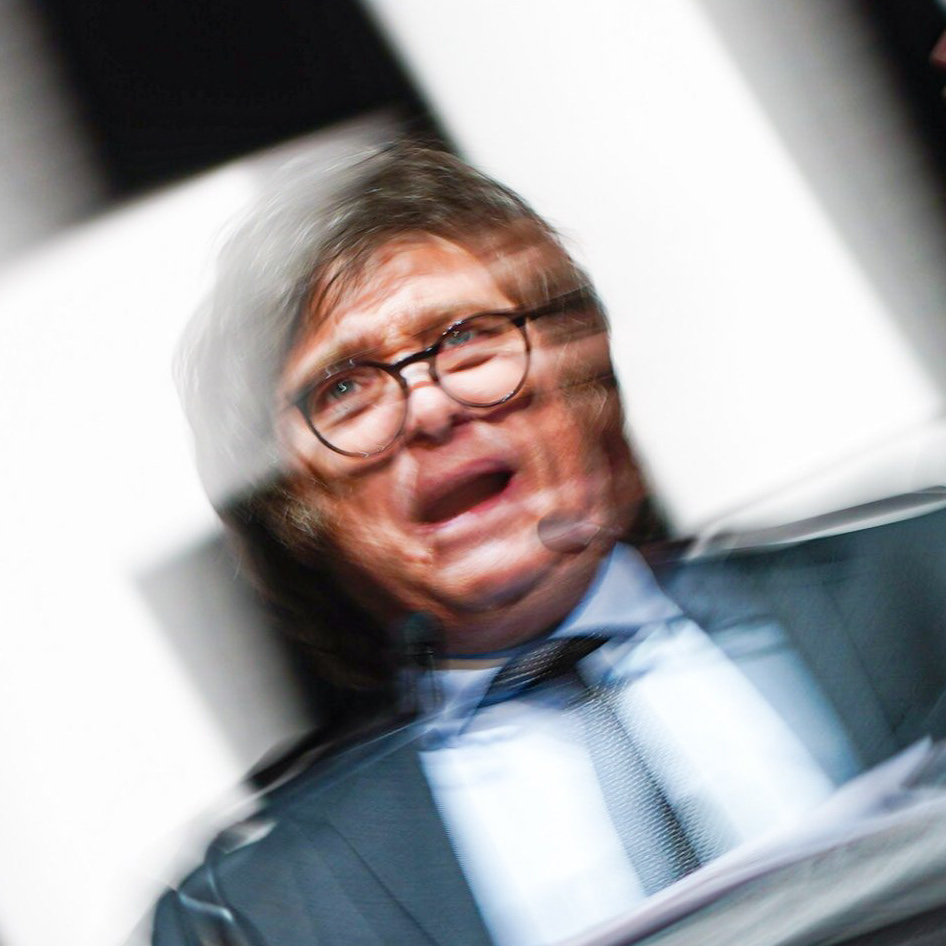
Images taken of several Argentine politicians such as Javier Milei, Cristina Kirchner, Sergio Massa, Alberto Fernandez, among others.
Photos taken during several fashion shows in the city of Buenos Aires
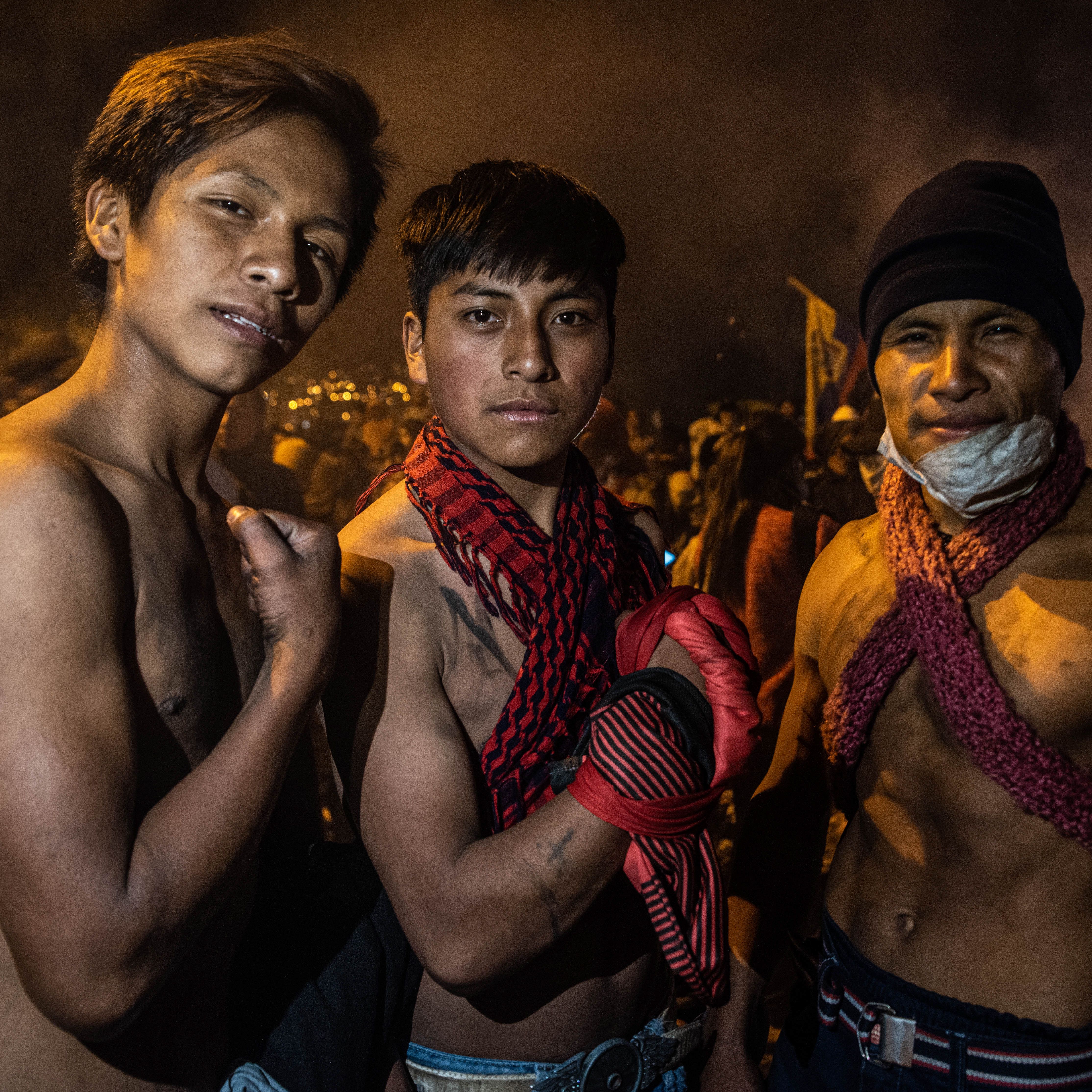
In October 2018, Quito, the capital of Ecuador, experienced protests and demonstrations primarily led by indigenous groups and other social organizations. The protests were in response to austerity measures proposed by the government of then-President Lenin Moreno. The austerity measures, which included the removal of fuel subsidies, were part of an economic reform package aimed at reducing the country's fiscal deficit and meeting the conditions of a loan agreement with the International Monetary Fund (IMF).
The removal of fuel subsidies led to a significant increase in fuel prices, particularly affecting transportation costs and the cost of living for many Ecuadorians. Indigenous groups, who have historically been influential in Ecuadorian politics, took the lead in organizing protests against the government's economic policies.
The protests escalated into nationwide demonstrations, with thousands of people taking to the streets in Quito and other cities across the country. The situation became tense, and clashes between protesters and security forces occurred. The government declared a state of emergency, and Quito experienced a period of unrest with road blockades and disruptions.
Amidst the unrest, the government eventually agreed to engage in dialogue with indigenous leaders and other social organizations. As a result, President Moreno decided to revoke the fuel subsidy removal, and both parties reached an agreement to work on a new set of economic measures. The protests highlighted the social and political challenges facing the country and led to discussions about the need for inclusive economic policies that consider the interests of various social groups.